Grand Junction’s Struggle With Housing, Homelessness, and Hopes for Change.
Story by: Daniel Severyn, Tourism Editor
Photos by: Juliana Bomark
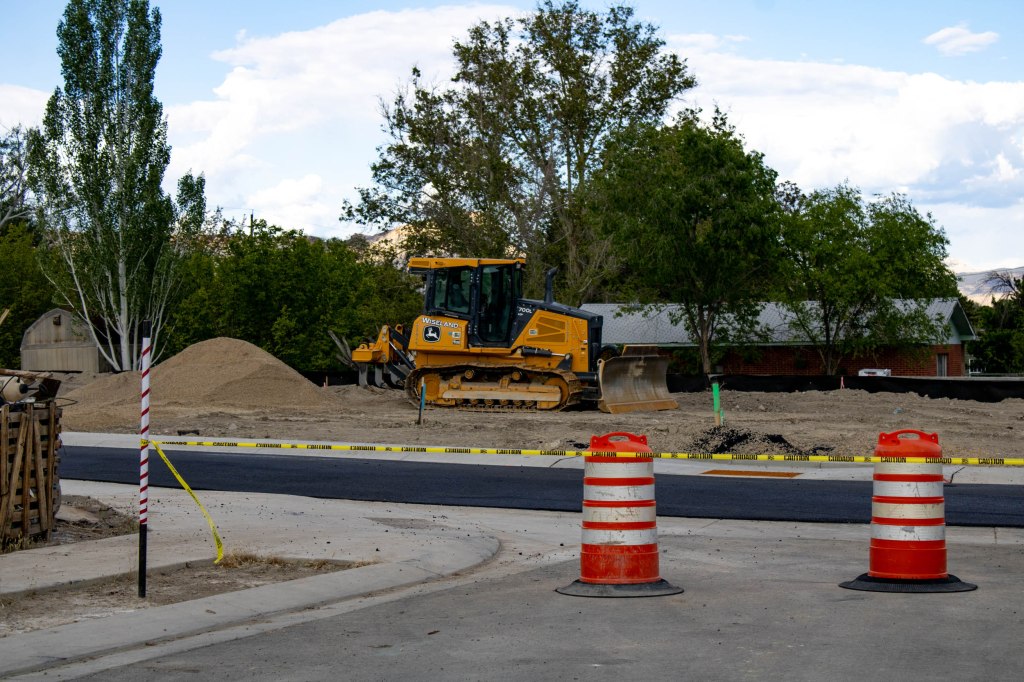
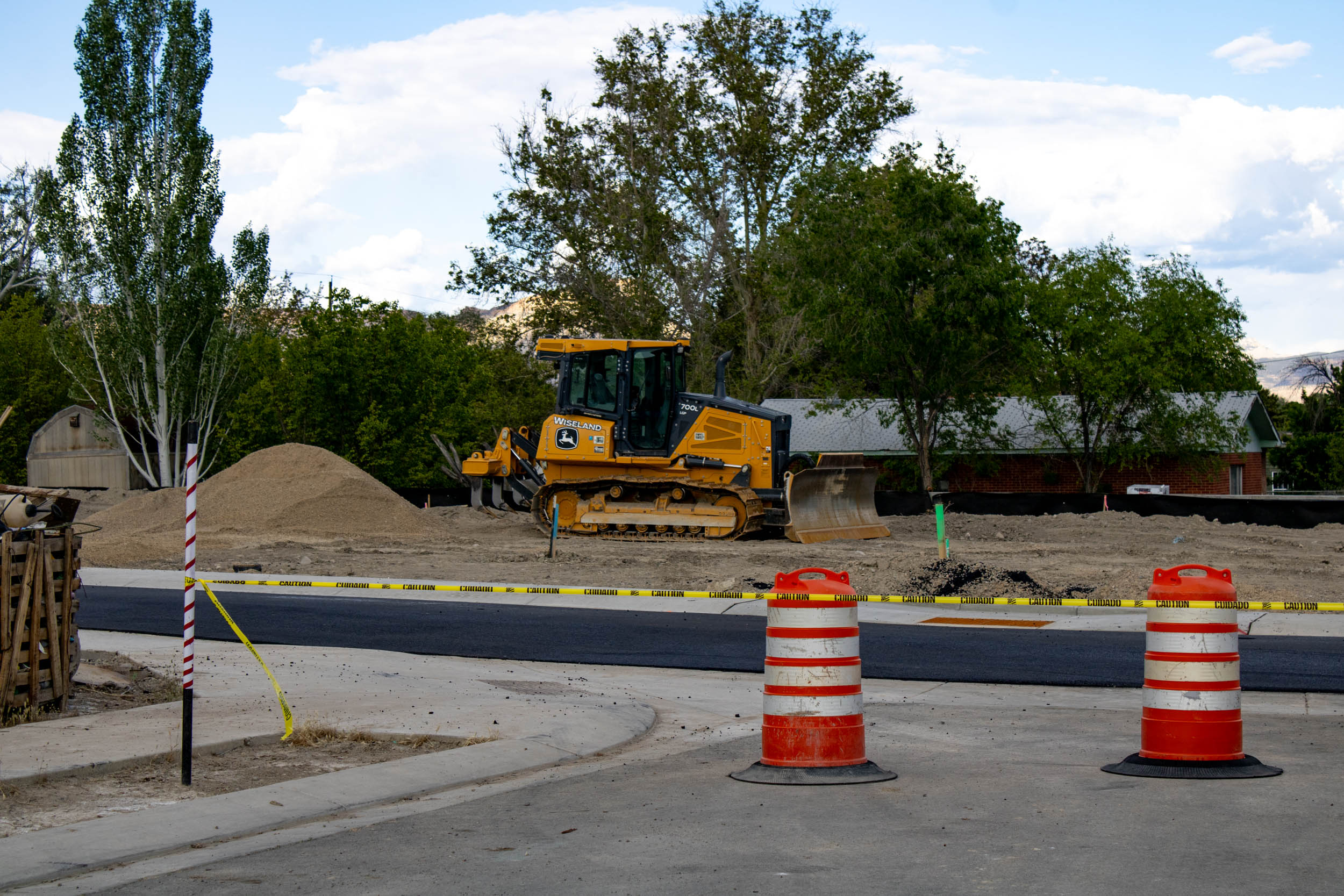
Many new houses are under construction in the Grand Junction area. Construction equipment can be spotted constructing new developments in areas where housing is already being built. Photo by Juliana Bomark, May 8th, 2025)
(Grand Junction, CO) In Grand Junction, Colorado, many residents are losing their dream of affordable housing. As housing and rent costs soar and availability dwindles, the community faces a crisis that demands immediate attention.
The strain on tenants has been particularly intense. As of 2022, approximately 44% of Grand Junction’s renter households are deemed cost-burdened, which means they spend 30% or more of their income on rent (GJCity, 2022). While this is a tiny decrease from 47% the previous year, the improvement is marginal and does not reflect the daily experiences of individuals still caught up in the crisis.
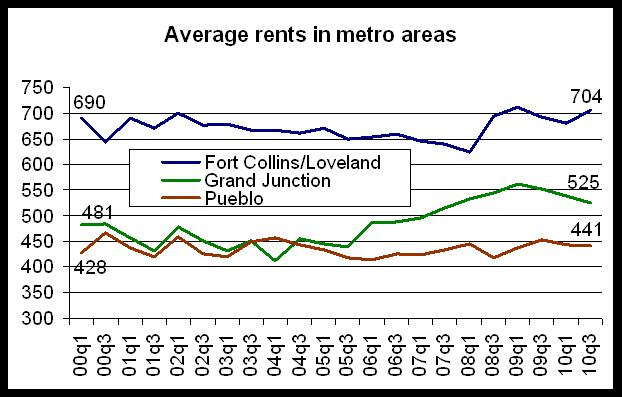
Photo via Colorado Division of Housing
“I work full-time, but my rent increases every year,” says Myna Francis, a renter. “It feels like no matter how hard I try, I’m always one step away from being priced out.” Francis’ tale is replicated throughout the city, as renters face limited inventory and high competition, forcing many families to downsize or relocate completely.
For locals like Dustin Varsho, the housing problem is more than just numbers; it’s a daily battle.
“Every month, I have to choose between paying rent, buying groceries, and fueling my need for a life outside of work,” Varsho told me. “The rent seems to keep going up, and I don’t know how I can keep up, especially with how low the minimum wage in this city is.”
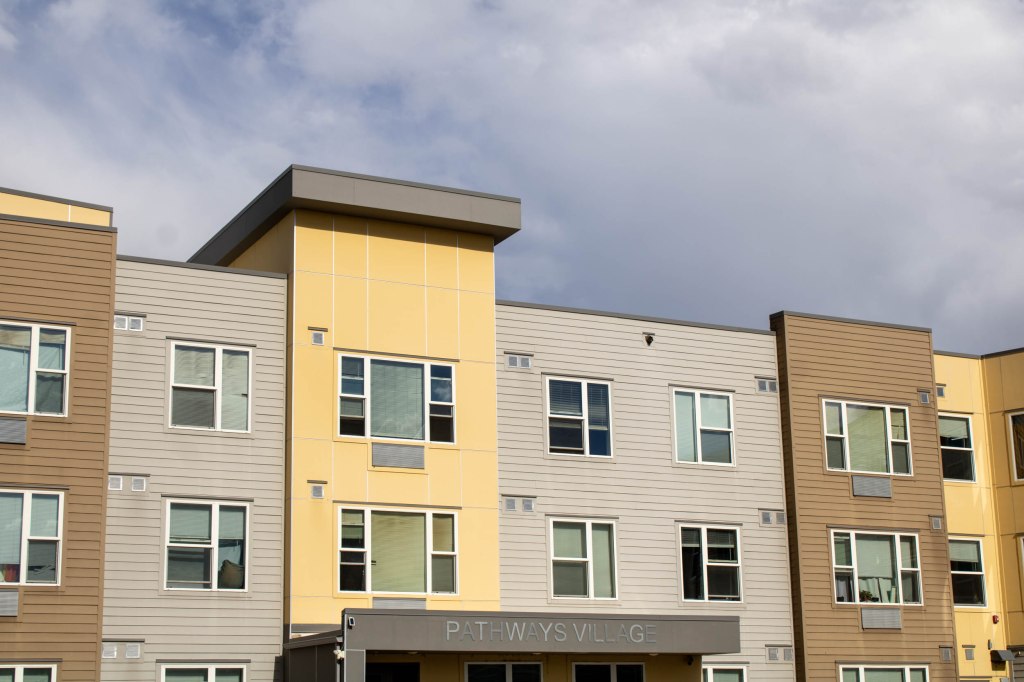
A part of Homeward Bound is the Pathways village and shelters. Though located apart, they work through the same management and are housing resources for individuals who need a place to stay. Photo by Juliana Bomark, May 8th, 2025)
As rates rise and housing options become scarce, the city is seeing an increase in homelessness. Homeward Bound of the Grand Valley reported assisting over 1,400 people in 2023, and that figure is projected to climb with the recent establishment of the Unhoused Resource Center in January 2024 (Homeward Bound, 2024).
While shelters and outreach programs work hard to meet demand, resources remain insufficient.
Shelter directors blame various factors, including a dearth of affordable housing, low vacancy rates, and income growth that has not kept pace with rising living costs. Even minor setbacks, such as a medical expense, job loss, or rent increase, can cause home insecurity or displacement for many Grand Junction residents.
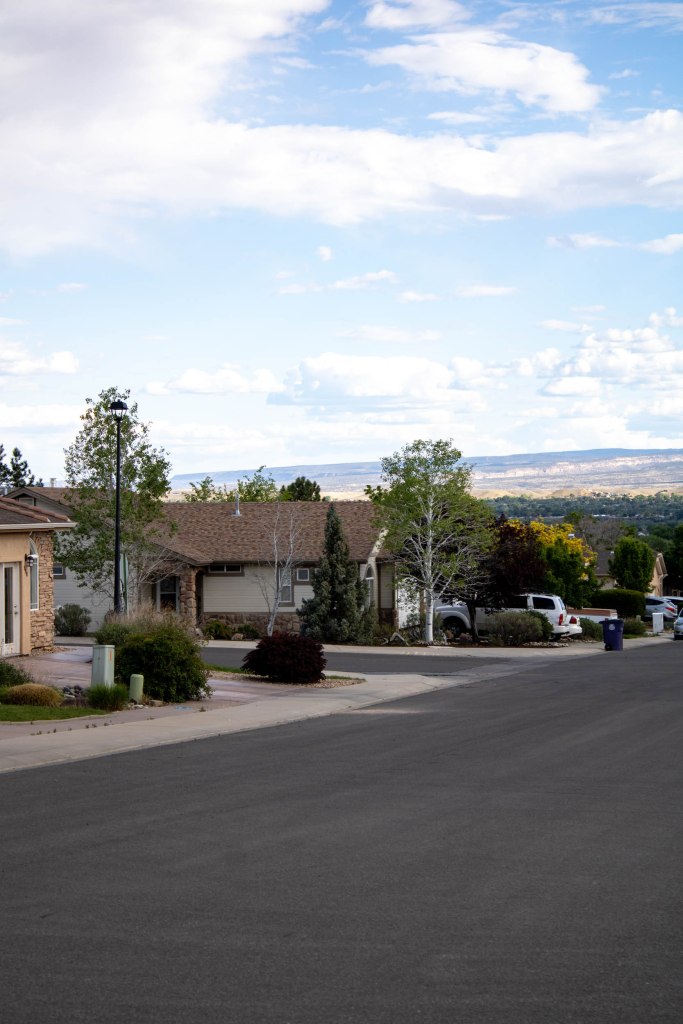
A neighborhood right next to the construction site is already established within the Grand Junction housing developments. (Photo by Juliana Bomark, May 8th, 2025)
According to a recent Common Sense Institute research, Grand Junction’s housing prices have risen 87% in the last eight years, surpassing wage growth. Grand Junction now has a housing deficit ranging from 897 to 2,413 units, and to accommodate population growth by 2028, the city will require 3,200 to 4,700 new units (Common Sense Institute, 2023).
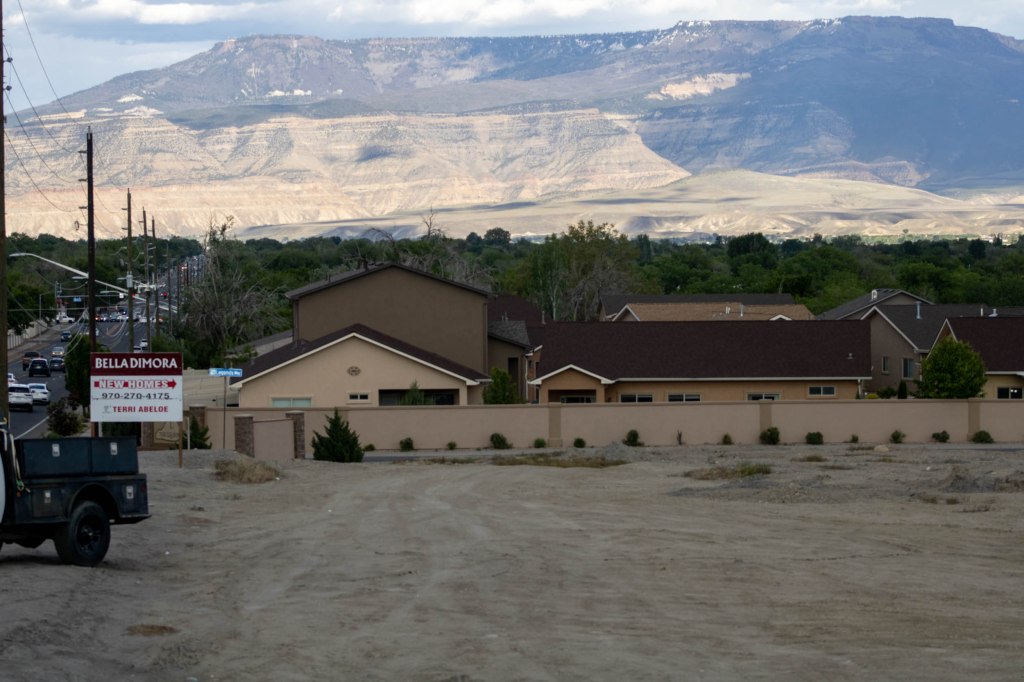
A new housing construction site is located right off Patterson Road. This project is located on Legend Way and is currently under construction and closed off. (Photo by Juliana Bomark, May 8th, 2025)
Recognizing the gravity of the situation, city planners and politicians are increasing their efforts to address housing affordability and homelessness. According to Rich Krohn, a Grand Junction Planning Commission member, progress is being made, albeit slowly.
Andrew Teske, chair of the Planning Commission, underlined that addressing the housing shortfall will necessitate a diversified approach, including zoning modifications and collaborations with developers to promote more affordable and diverse housing options.
In addition to policy improvements, the Grand Junction Housing Authority now provides Housing Choice Vouchers to low-income families, the elderly, and people with disabilities (GJHA, 2024). Local groups are also stepping in to help people who are homeless by providing emergency shelter and outreach initiatives.
However, advocates believe the city should do more. The proposed strategies include:
- Expanding the affordable housing standards for new buildings.
- Offering tax incentives to developers that agree to building below-market cost dwellings.
- Encourage public participation through planning meetings and housing alliances.
- Increase funds for homelessness prevention programs and temporary housing.
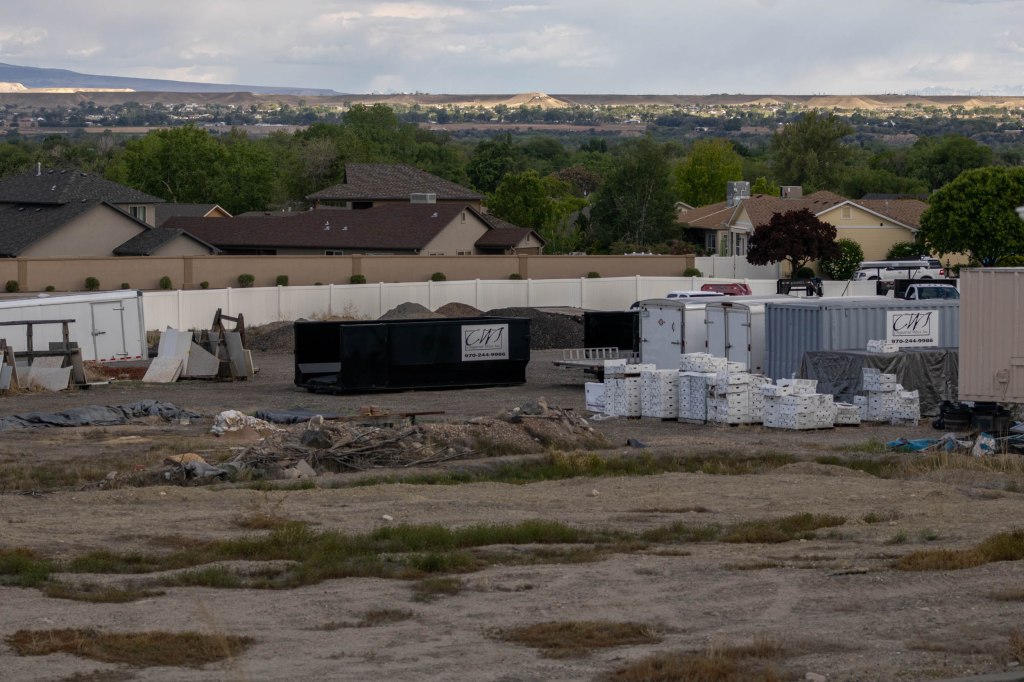
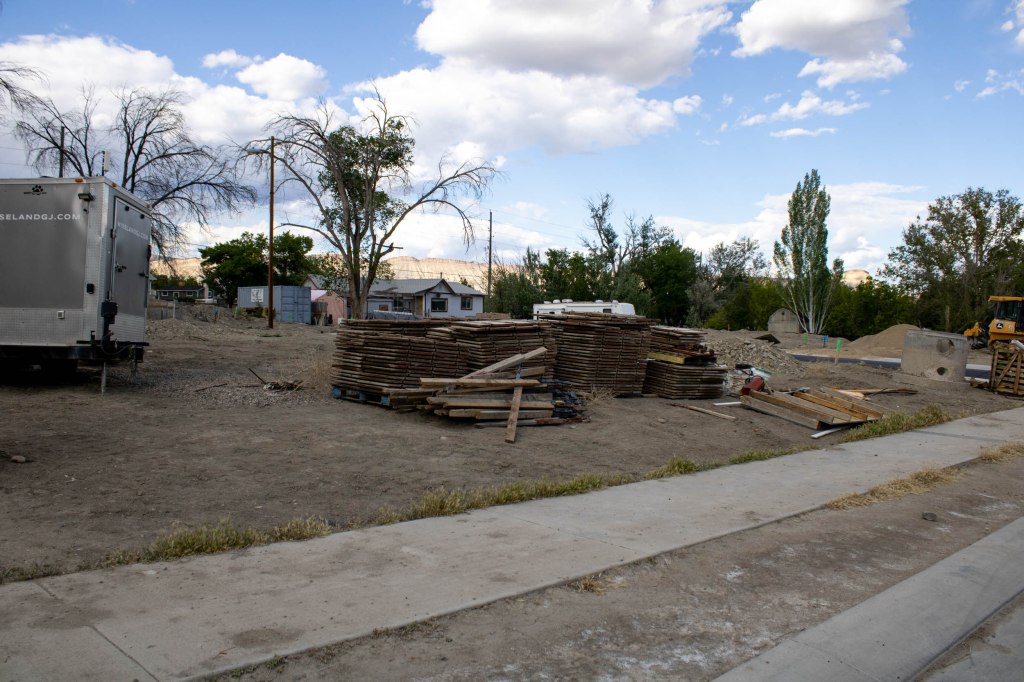
Construction is still underway, and the area is closed with no-trespassing signs. Houses are plentiful in an area with neighborhoods already built. (Photo by Juliana Bomark, May 8th, 2025)
The road ahead will not be easy, but the city’s rising awareness—and the community’s desire to engage—provides a basis for hope.
Local governments are becoming more aggressive, with the Planning Commission looking into zoning amendments that would allow for higher-density and mixed-use constructions, particularly in regions currently dominated by single-family homes.
These reforms might lead to the construction of additional duplexes, townhomes, and apartment complexes—housing types that are quicker and less expensive to construct.
Furthermore, development incentives such as faster approval, reduced fees, or tax credits are being considered to incentivize private developers to incorporate affordable units into their projects. Community organizations and advocacy groups are increasingly taking up, conducting public forums and forming housing coalitions to engage renters, landlords, and officials.
Grassroots support has strengthened, particularly as more citizens see that the crisis impacts everyone, from young professionals and service workers to elders and families. People speak up at public meetings, advocate for solutions that value people before business, and help with local groups dedicated to homelessness prevention.
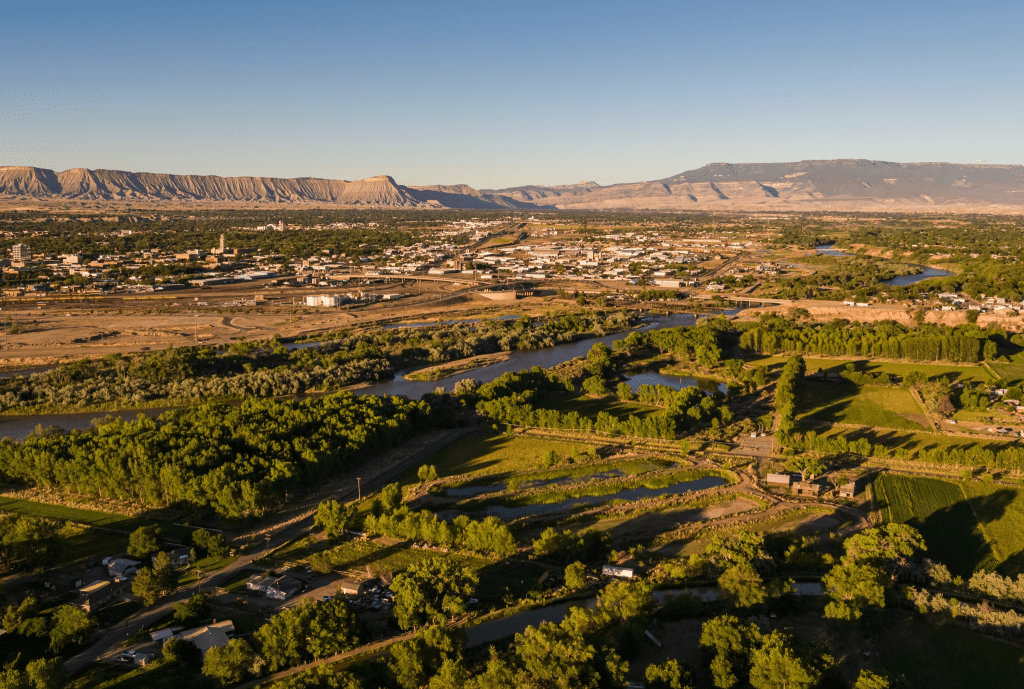
Photo via City of Grand Junction Facebook
Still, progress seems too slow and uncertain for tenants like Varsho. “I just want to stay in the town I grew up in,” he says, expressing affection for his hometown but dissatisfaction with its affordability.
Many in Grand Junction share his concern that unless dramatic action is taken soon, the city’s identity and people will continue to erode.

 blockpartygj.net