Story and photos by Paul Irvine
Mural art on the streets comes and goes, and it becomes difficult to know when and where a new large mural might pop up. There are a few places that see constant traffic and have spaces large enough to accommodate the work that we see around town. The artwork keeps on changing and locations change too. There are many places where this art is covered up and never seen again. The loss can be amazing once you see some of the art people create.
Most mural art is lost when the person or corporation that owns a building discovers it and has a protocol to cover it up and leave the wall as plain as possible. Often it goes against policy and once it is covered up the art is gone forever. In the City of Grand Junction, some of the building owners are allowing large-scale murals for development. These spaces and these larger pieces of artwork put Grand Junction on the map as a graffiti city.
The city has a major train line that carries coal and oil across the state line. The next big city is Salt Lake, and all of the train cars see a lot of tagging. There is little to no telling where the cars come from or who put their tags on them, and we see a lot of traffic through town. It’s almost impossible to see the same tag twice and these cars become the perfect place to catch new styles of work and note similarities.
“I’ve met so many jumpers that use the cars when jumping trains, the coal dust is super toxic, and the tags help bums find the right car to ride. When a train is moving 75 miles per hour it’s easy to get sucked under the train and being in the right car is important” – Local Artist
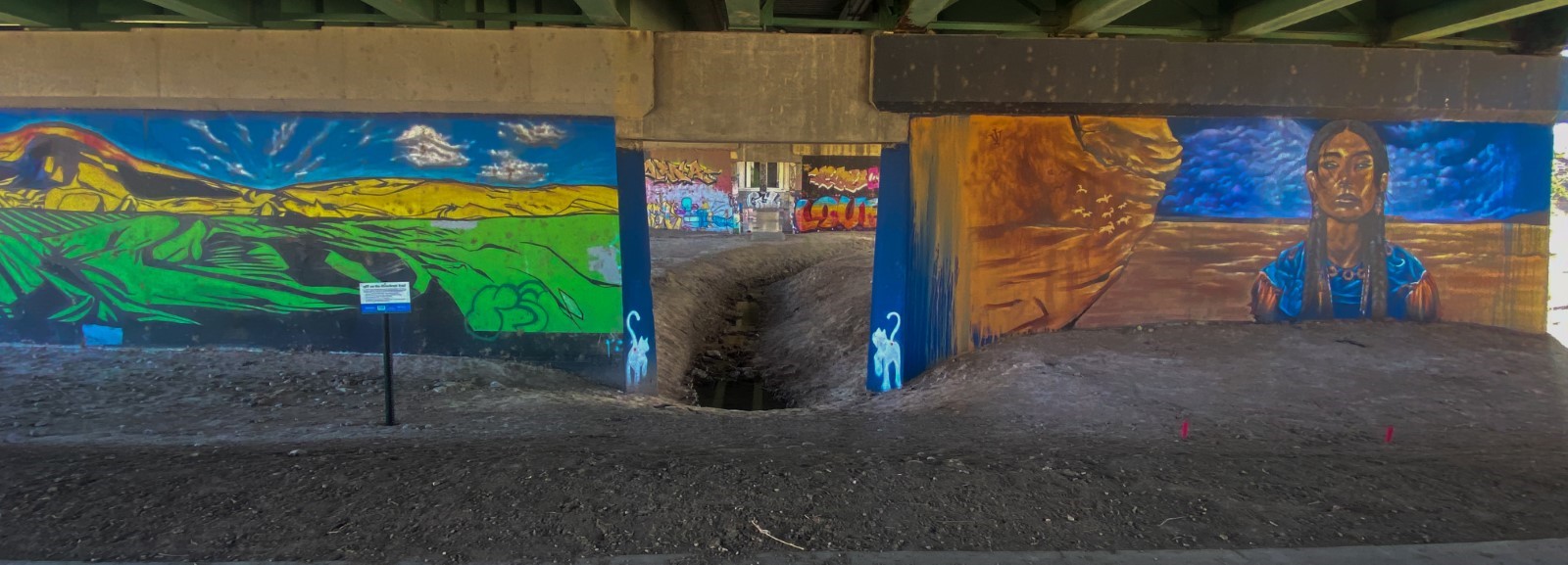
One of the best areas for large-scale graffiti art happens under the underpasses going over the river. Fifth Street Bridge was the only bridge going over the river for a long time and it saw a lot of art action because of the sessional sand bar under it; the sand bar allows access to the middle pillars. The river trail is the best way to access this location and if you play disk golf the course has a basket under one of these passes. The concrete pilers are long and wide supporting the highway as it spans the river. Here on both sides, there are graffiti murals everywhere. The larger works of art change from time to time and the city does not cover them for whatever reason.
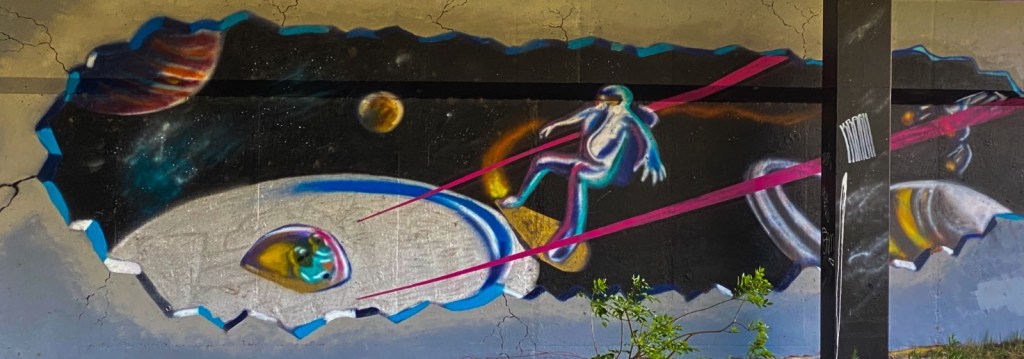
Another location is the alley off Main Street on the Colorado Ave. side. This alley has a lot of art covering the sides of buildings and it becomes a large part of the downtown area. Buildings offer wall space for the mural artist and the area is exploding with new art and different murals. ” I grew up tagging in the alleys off Main Street in Grand Junction. I would ride my bike around and paint happy faces with smiles, if I were drinking, I would X out the eyes” said Paul Duffus, a local delinquent of the Grand Valley. “I only ever tag on buildings that already have tags on them. If I have the paint, I will cover up the previous tag and do my own. I’ve never gotten in trouble for graffiti, but one time the cops were called and I had to hitchhike out of town.”
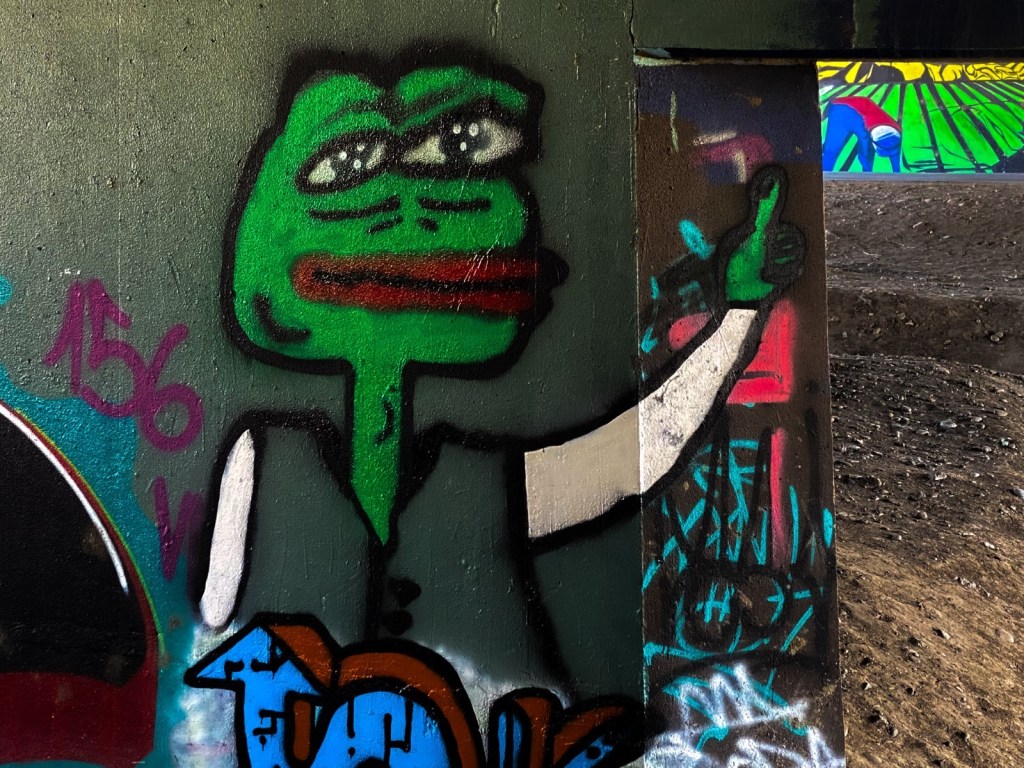
A lot of the big art projects on the buildings stays the same, and a few of the murals are permanent along Main Street. Some of the underpasses on I-70 have larger tags and images that can be seen when driving past. A lot of these tags are never covered up and can be used to identify what gangs are prevalent in that sector of the city. The people who usually tag like this are night owls but on occasion, they are out in the daylight. This concept of tagging in broad daylight used the ‘it’s normal – don’t give me a second thought’ line of thought that gives the tagger or muralist the sense of permission. Most of the time, these people operate with little to no permission.
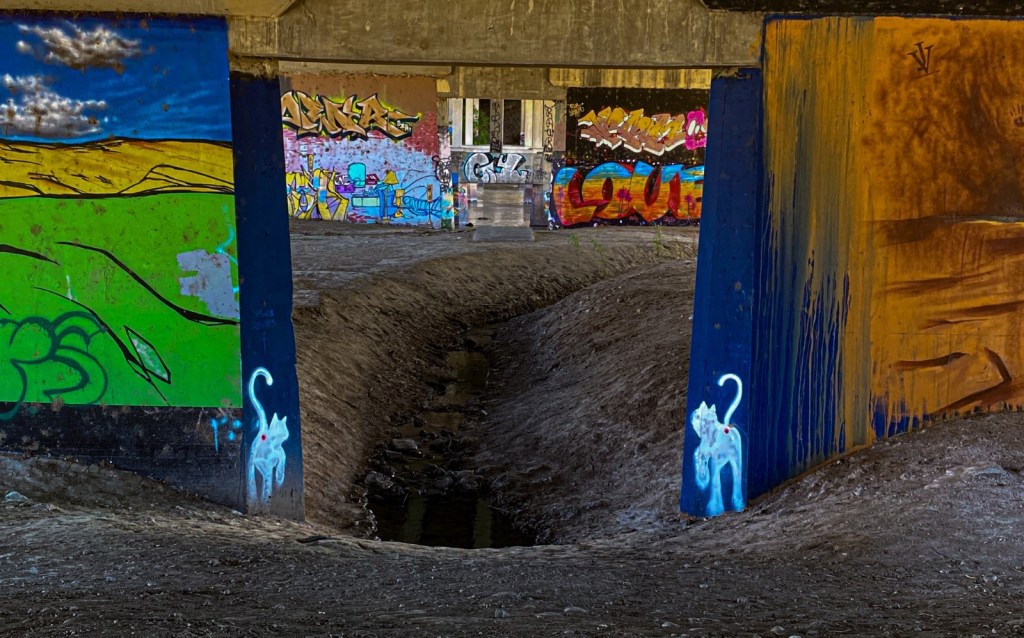
It is rumored that CMU offers places that allow for the creation of graffiti. These places are designated for the occasion and there is most likely already graffiti existing there. By no means are people allowed to tag campus buildings or sidewalks. The wall on the sliding gate behind the art building has always seen tags and mural-style art that is constantly changing. There are no other known locations that have seen that amount of art on campus.
Lady Gaga talked in-depth during an interview with me about graffiti art and her place in the art movement. “I enjoy watching others make art, then I like to see it later on.” She was talking about watching large murals evolving into completed works, it was about the process she admires. ” I own a few buildings around, I allow is on all of them.” Gaga said, ” It has deeper roots as a form of expression for people to share with the community. Like art therapy.” She wanted people to understand the concept of “Free Art, Free Expression.”
Often times graffiti is a way of expressing cultural themes or current agendas. This overtone allows for different focal points to come into view which create discussion around them. This idea brings pressing issues of government, culture, and foreign affairs into circulation. When graffiti is used to express values and challenge the status quo it becomes more than just tagging on a wall and gives people something to actually think about. Their style of art is something that is both fun and thought-provoking to see around town and catching a glimpse is always a delicious eye treat.

 blockpartygj.net