
By: Manasi Bhambure, Hometown Highlight Editor
As food insecurity continues to impact communities across the country, Mesa County has not been immune to this issue, especially among its elderly population. Many seniors in Mesa County are facing food insecurity, a problem that has become more pronounced during the COVID-19 pandemic.
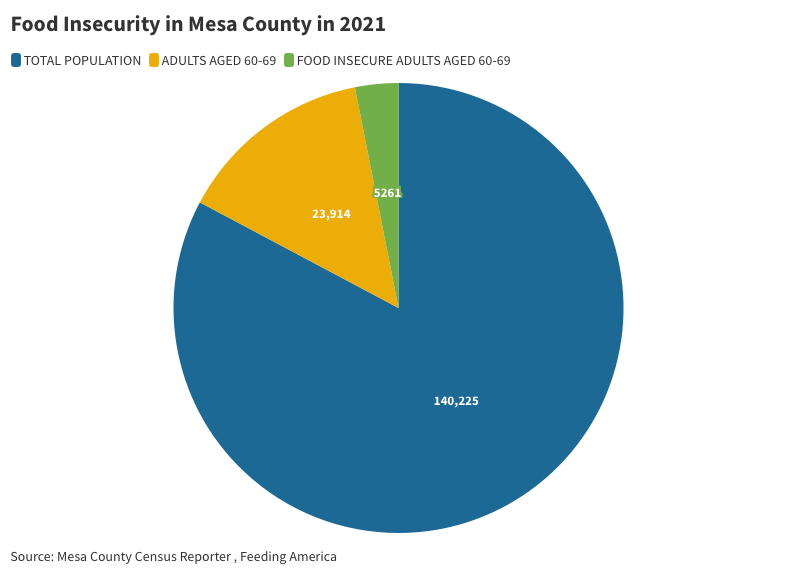
According to a report released by the Mesa County Department of Human Services, 22% of seniors in the county are experiencing food insecurity. The report analyzed data from 2021 and found that the COVID-19 pandemic had exacerbated food insecurity among seniors, with many facing challenges such as limited mobility, fixed incomes, and health issues.
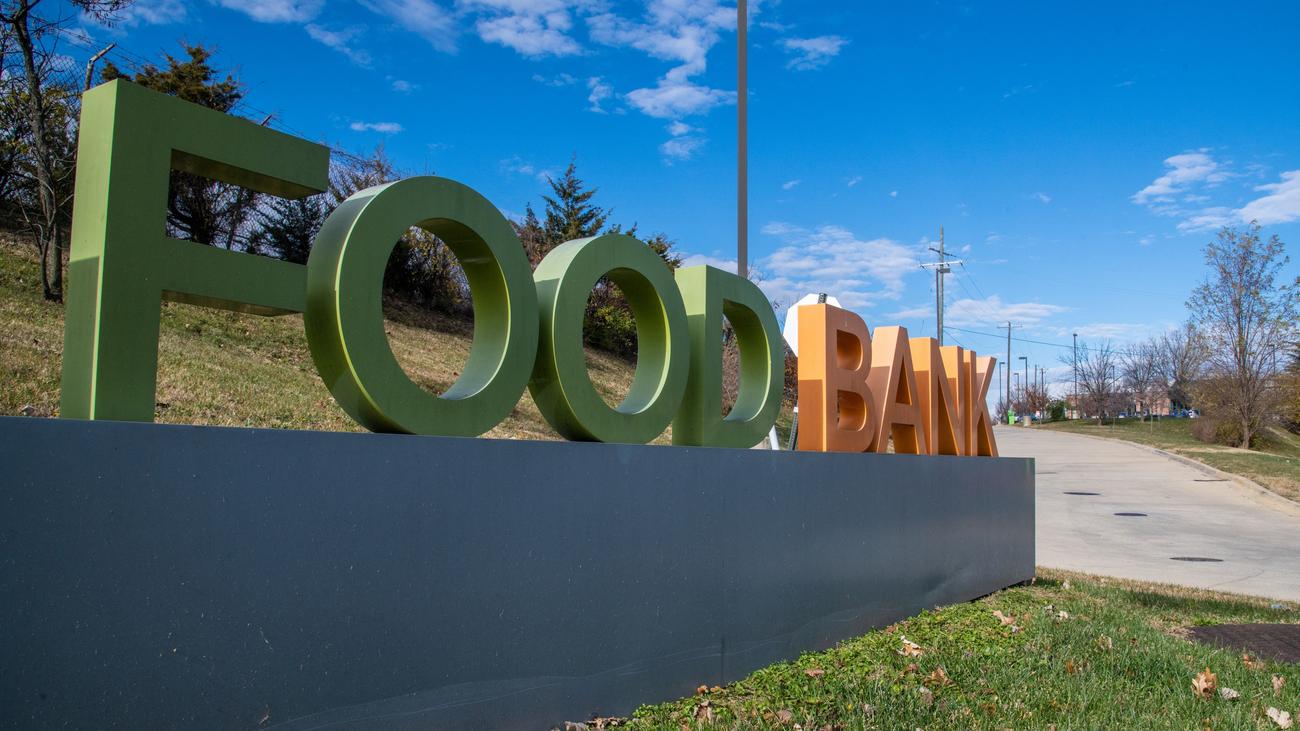
Local food banks and organizations have been working to address this issue. The Western Slope Food Bank of the Rockies, which serves Mesa County and surrounding areas, has seen a significant increase in demand for its services in the past year.
“We’ve been working tirelessly to make sure that seniors in our community have access to healthy, nutritious food,” said Sue Ellen Rodwick, executive director of the Western Slope Food Bank of the Rockies. “But the need is greater than ever before.”
As the report by the Mesa County Department of Human Services indicates, more than one in five seniors at risk of hunger, food banks are ramping up to fight the statistics and ensure that all seniors have access the food they need.
The organization has been distributing food through a variety of channels, including mobile food pantries and home delivery services. They have also partnered with local senior centers and community organizations to identify those in need and provide support.
One such organization is the Retired & Senior Volunteer Program (RSVP) of Mesa County, a volunteer program for seniors that has been working to address food insecurity in the area. Volunteers from the program deliver meals to home bound seniors and help connect them with resources for food assistance.
“We’re seeing a lot of seniors who are struggling to make ends meet, and food is often the first thing that gets cut from the budget,” said RSVP executive director Dave Carlo. “It’s important that we do everything that we can to support them.”
The pandemic has highlighted the need for a more comprehensive approach to addressing food insecurity among seniors, including increased funding for food assistance programs and greater access to affordable, healthy food options.
“We need to make sure that our seniors are not left behind in our efforts to address hunger in our community,” said one volunteer. “They are among the most vulnerable and are in need of our support now more than ever.”
According to a November 2022 article by Nathan Deal at the GJ Sentinel, Mesa County has been awarded over $65,000 in federal funds for emergency food and shelter programs. These funds are intended to support agencies that provide assistance to individuals and families experiencing financial hardship and homelessness. The funds are distributed by the Federal Emergency Management Agency (FEMA) in collaboration with the National Board for the Emergency Food and Shelter Program (EFSP). Mesa County’s allocation is part of a national distribution of over $120 million to support emergency food and shelter programs across the country. This funding is crucial in helping to address the ongoing issue of food insecurity and homelessness in our communities, especially in the wake of the COVID-19 pandemic.
While local organizations are working to address this issue, more support and resources are necessary to combat food insecurity among this vulnerable population. With the senior population expected to grow in the coming years, it is crucial that local organizations, policymakers, and the community as a whole come together to ensure that every senior has access to healthy and nutritious food.

 blockpartygj.net