
Landscaping regulations within the city of Grand Junction.
Story By: Julia Blanchette
Photos By: Jillian Richardson
The development standards for the city of Grand Junction discloses extensive rules and regulations for property landscaping. Within these rules, the city has published a list of acceptable grass, shrub, and tree species which may be planted on any property within city limits. According to this published code, all landscaping and irrigation plans on private property must also be certified by a state licensed landscape architect. City ordinance 5117, passed in December of 2022, certifies all these regulations and many more into effect.
The “suitable species” list of permitted plants in the city is very detailed and specific. The ordinance includes specific dimensions of plants, proximity to other vegetation, and frequency of habitation on a single property. One of the concerns with planting species outside of the approved list is overuse of water to support the vegetation.
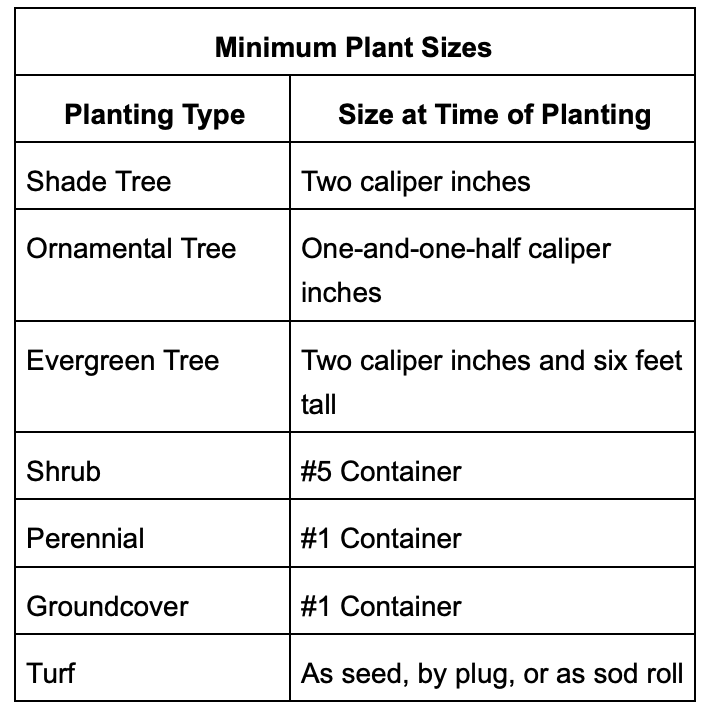
The regulations regarding plant dimensions upon initial placement are as follows:
The ordinance states that “the director” must approve all landscaping changes. Although, it is unclear as to whom the director is or how to officially contact them. The contact information listed on the ordinance strictly points citizens to the city of Grand Junction website.
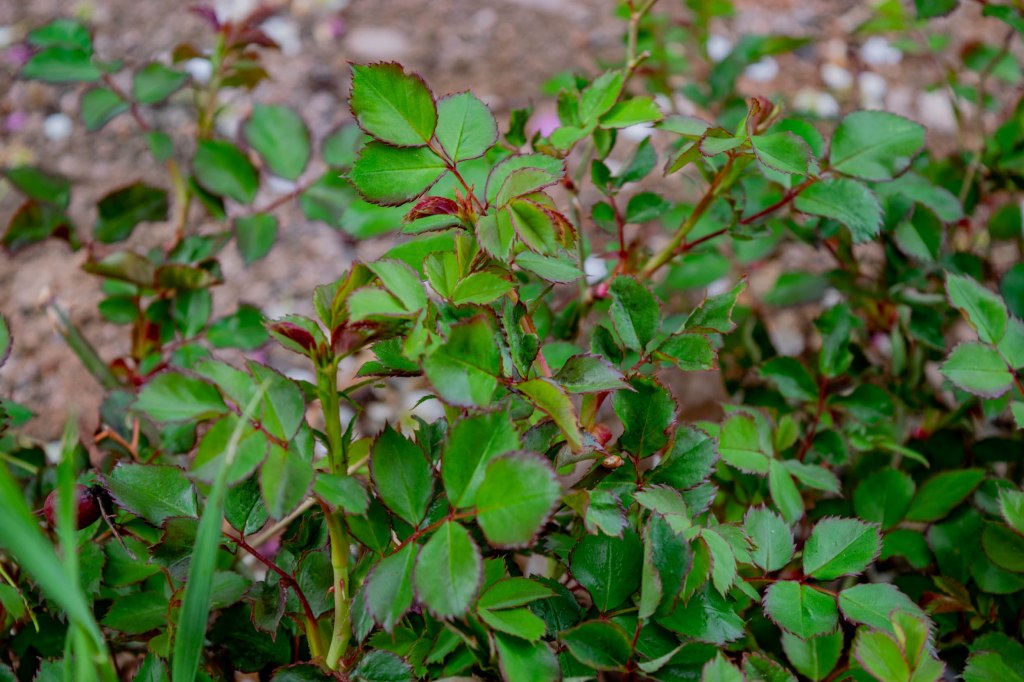
(J. Richardson, May 3, 2023)
The strict nature of these regulations may make outdoor home improvements challenging for residents in the area. While speaking to a homeowner in the area, I was surprised to find that many knew little about the ordinance and the regulations put into effect.
“I made lots of landscaping changes once I officially closed a house here in the area,” Sheri Pless said. “I hired all the landscaping help out locally and there was never any discussion about regulations.”
Lack of knowledge about the city ordinance has caused some to likely violate predisposed regulations unknowingly.
“I was under the impression that what I wished to change about my property was up to me within logical reason,” Pless said. “Thankfully, nothing I have planted on the property violates any ordinance rules because lots of the vegetation on the property has existed through multiple homeowners.”
Water conservation is a nationally recognized issue. Nearly every state has implemented water usage regulations. This ordinance was created to conserve water which is being used by consumers. Although, usage of water for landscaping is not the only water usage issue the country is experiencing.
After speaking to a civil engineer about water transportation, it appears that the water transportation system may be a contributing factor to water loss.
“As a civil engineer, I spend lots of time planning and overviewing the water piping systems which run through cities and suburban areas,” Glenn Hamilton said. “Many of these water transportation infrastructures have flaws which lead to water loss through broken and aged piping.”
Hamilton elaborates on the amount of water lost in transportation annually. He estimates that hundreds of gallons are wasted on the daily in Grand Junction. Local water conservation has not been overwhelmingly successful.
The specified plant species are good at surviving off of significantly less water. The planting of these alternative species is eliminating some water usage but it is unclear how much since residents are far from educated on the ordinance. It has been made clear that this ordinance has not been properly enforced. This ordinance would save water but that water conservation would only merely make up for the water lost in the pipelines.
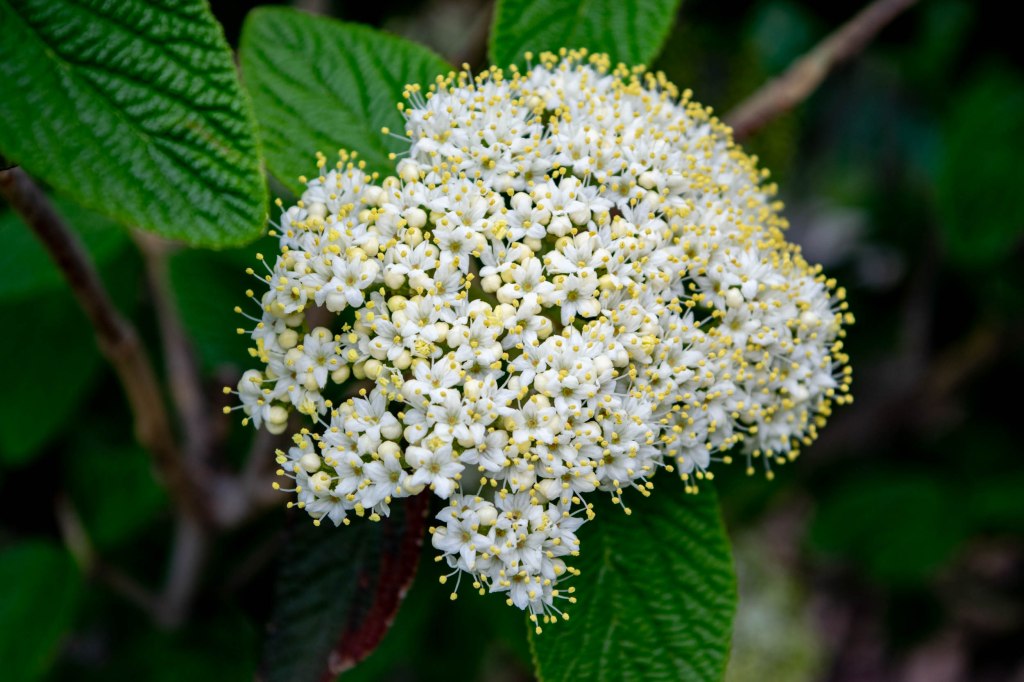
(J- Richardson, May 3, 2023)

 blockpartygj.net
The Zoning and Development Code is a large and complex document, so I understand your confusion on this topic; it would have been useful to speak to someone at the city as part of your research for this article, as they could have helped clarify this landscaping portion of the Code. The landscape and irrigation requirements you’re referring to do not apply to individual dwellings or single family homes; they are only for properties that require landscape and irrigation plans, which would be commercial, industrial, or large multi-family projects like apartments buildings and the communal spaces in subdivisions.
LikeLike