By: Jaren Reece, Housing Co-Editor
Photos By: Kaleb Niumata, Jaren Reece
In 2020, the course of history was thrown off the rails as the world came to a screeching halt. A mysterious and fatal new disease was making waves in the Eastern Hemisphere, rampaging through China and the rest of Asia. At the time, we felt that we were immune. All of the news outlets were conflicting with each other, fighting over the information we were given, trying to determine who was right and who was wrong. Before you could blink, the Covid-19 virus had made its way to the United States and a world-wide lockdown was initiated. Electronic commerce played a crucial role in keeping many businesses afloat, while also changing the way consumers shop and interact with retailers.
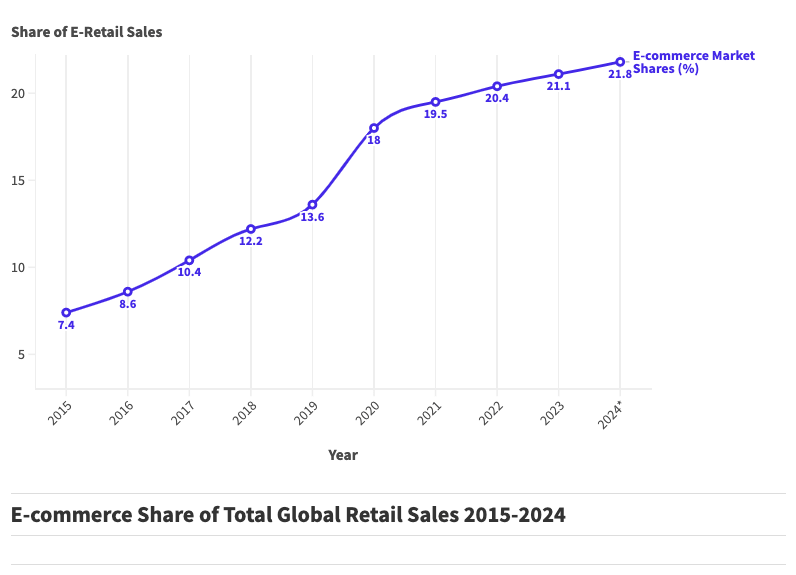
While we all scrambled to find answers and revert things back to normal, the businesses that we all relied on became desperate, no one was allowed to leave their homes or interact with others, so how exactly would companies keep themselves afloat? While it isn’t a new concept by any means, businesses began to rely on the use of the internet and electric commercialization to get their products to the consumers. The use of the internet was really the deciding factor when the fate of a business was on the line; so much so that the preferred method of shopping for many people to this very day remains to be online. A survey conducted by the Census Bureau’s Annual Retail Trade Survey found that during the first year of the pandemic, “e-commerce sales increased by $224.2 billion or 40%” from 2019, rising from $571.2 billion to $815.4 billion. At this time, it made sense, people were not allowed to make contact with one another or even leave their homes, therefore, the essential workers were given a new task: provide a viable option to combat the pandemic. As a society, we have embraced the new method of shopping with open arms. We could stay in the safety of our own homes at all times if we really choose to and do all of our purchasing needs on a computer screen.
On the western slope, there are a countless amount of small, family owned businesses that are beloved by the community and are irreplaceable when it comes to the culture. In Grand Junction, there are plenty of select spots that are locally owned and play a big role in making the city what it is. Fat Cat Pottery, Jimmy’z Hamburgers, Rockslide Brewery, EBricks, The Warehouse 2565, the Homestyle Bakery and many more just to name a few. While multi billion dollar companies suffered greatly during the pandemic, it was the small “mom and pop” style businesses that were impacted the most as they couldn’t compete with the large corporations and heavily relied on local “regulars” who would frequently buy their products and services.
A business such as Fat Cat Pottery that attracts people from all over the western slope to come and create hand made art and find pieces to decorate your home was among those hit extremely hard. Hand-made pottery wasn’t a necessity, and people naturally prioritized items that would make staying at home a lot more convenient, like toilet paper and canned food.
Jo Kelly, co-owner of Fat Cat Pottery alongside her mother-in-law, said that the pandemic severely impacted how they operated as they thrived off of in-person contact. “It became such a mentally taxing, painful experience, we had to do our best not to panic. We are so much better in person, it was just so difficult to operate over the phone or over the internet” Kelly said. “I tried to create to-go kits for customers who called but it just really broke me, I hated the feeling of not getting to see our customers in person.”

Like Kelly, many others were devastated when they couldn’t make the regular interpersonal connections with their customers. A big part of what makes local businesses so special is that it is easy to create a bond with the staff members, especially in a place as closely connected as Grand Junction.
“All of the phone calls and emails and text messages that we got meant the world to us because it made us realize how much we meant to the community. Our neighbors and family members were struggling but they still took the time to make sure we were okay too,” said Kelly.
The community thrives when the businesses they cherish are seeing success and are giving their all in return for the consumers. The most viable alternative to keep themselves rolling during the pandemic was curbside pickup. According to data provided by CNBC, the number of orders placed online and picked up at the store surged by 208% between April 1st and April 20th nationwide.
EBricks, the unofficial LEGO distributor in Grand Junction absolutely thrived off of the curbside pick-up and e-commerce system as they had been using a predominately online shopping process for years. Owner of the store, Kenneth Riskey, claimed that while a lot of things had to change, a lot stayed the same. “It just took some good old fashioned ingenuity and like, hey let’s see if this works. So we would meet our older customers out on the sidewalk here, basically they would roll up or they would call beforehand and we discussed payment over the phone” said Riskey, “We did a lot of that and we did a lot of delivery stuff.” Riskey also said that online sales are only now beginning to slow down after being so prevalent the past few years. “Internet sales are strong, they’ve always been strong. In 2023, things started to die off because people started to go out and enjoy interpersonal communications and interactions again. People will run next door and get some coffee and mosey around here. There are a lot of date nights that are centered around LEGOs for younger couples, so that’s cool to see” said Riskey.
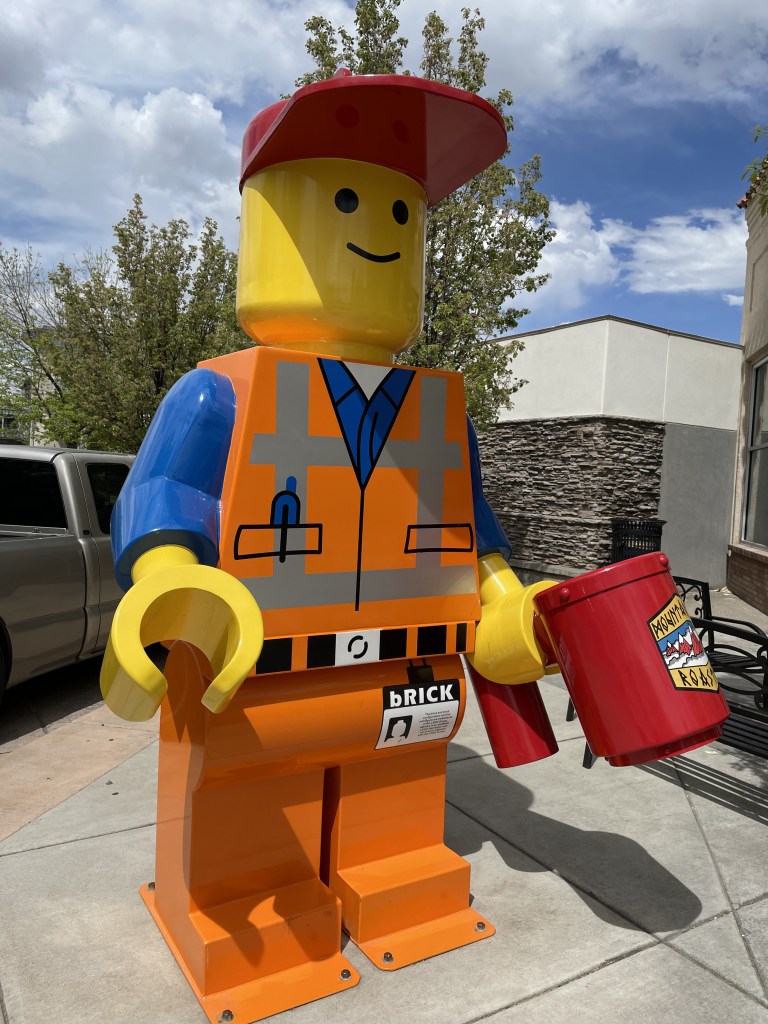
EBricks and Fat Cat Pottery are just two of the local examples who were able to excel in creating alternative business models for their customers; but what about the companies that rely on in-house clients completely, what about the restaurant industry?
Sit down restaurants are an environment in which people go to enjoy camaraderie with friends and family, watch sports and treat themselves to meals they don’t typically get to have. Take away the in person contact and the ability to seat multiple people in close proximity to each other and a restaurant is basically just another take-out spot. Over 90,000 restaurants were forced to close their doors in the U.S. alone, per the National Restaurant Association. It’s a sensitive element in the economic cycle, one that can be easily toppled. Restaurants compensated by allowing a limited number of patrons at a time and opting for outdoor seating. Phone calls came in by the dozen and websites were flooded with people who were desperate to eat at their favorite place in town.
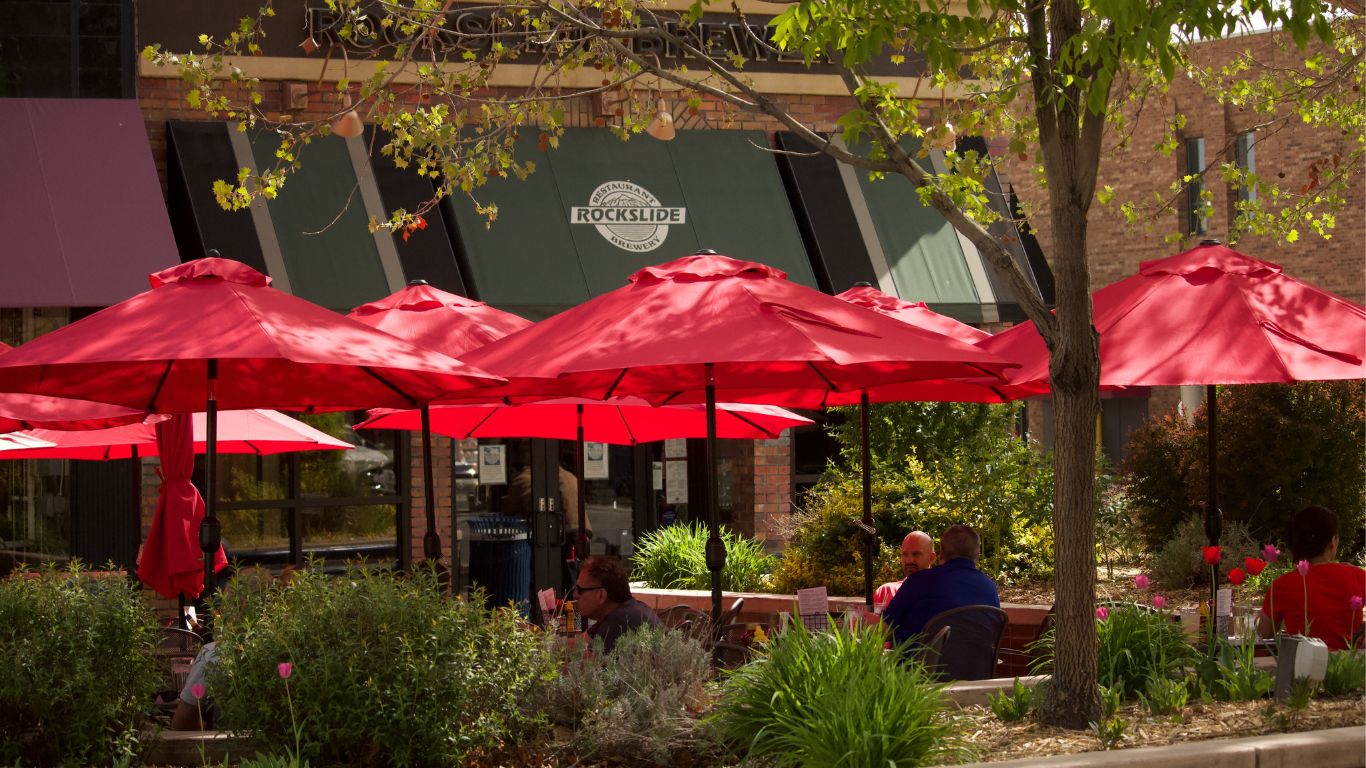
A local brewpub in Grand Junction, Rockslide Brewery, has been a staple in the food scene for almost 30 years and adopted similar standards during the pandemic. Rockslide was able to establish a “downtown delivery service” in which zones all around Main Street were set up to make it easier for people to come and pick up their carry out orders. Brian Oliver, the current owner of Rockslide said that the brewpub was forced to get creative, that curbside pickup and delivery were not initially offered. “It was extremely difficult, we were in uncharted territory and had to sort of experiment with ideas that we had never thought about before” said Oliver, “We had our patio seating, and at the time, we didn’t realize how useful it would become because that was our only option to be able to see our customers in person again. The Downtown Delivery service was our saving grace. So what happened there was that specific parking meters were marked with signs that said ‘Downtown Delivery’ and we could take the food to the people who were parked at these spots after they called and ordered or ordered through the website.”
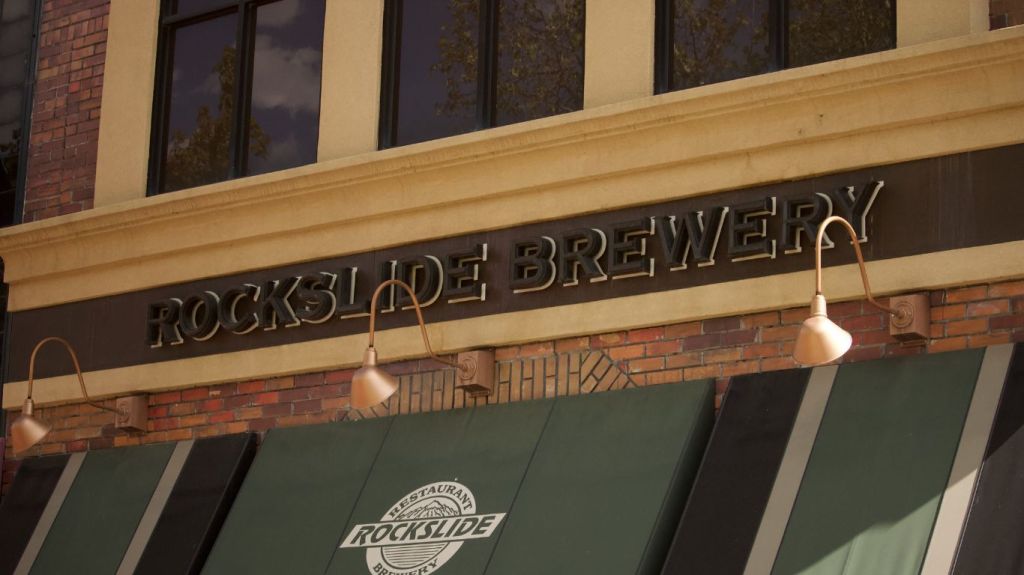
Innovation became the greatest ally for restaurants during this unprecedented time. Any idea was taken into consideration with the majority of places opting for meeting their customers in an outside setting and allowing them to take their food to go. Rockslide also offered a deal during the opening months of the lockdown in which all online orders were 25% off. This was an attempt to make up for all of the lost profits. Today, Rockslide is thriving. All of the options that have been created have allowed them to generate more business than ever.
Local businesses, in order to adequately keep themselves from succumbing to bankruptcy, had to venture out of their comfort zones and find ways to reach their loyal consumers. E-commerce and the use of the internet allowed them to stay connected to the community, it gave them the opportunity to serve when the world was bleak. The economy has forever been changed by the pandemic, for better and for the worse. The main streets of Grand Junction may have looked eerily different had it not been for the use of the internet and online shopping.

 blockpartygj.net