City moving forward with 2023 Pedestrian and Bike Plan and Urban Forestry Management Plan outlined in 2020 One Grand Junction Plan.
By Dylan Raskay, City Pulse Editor
On April 3, 2023, the Grand Junction City Council held a workshop to focus more in depth on three important issues the Grand Junction community currently is heading it’s way through. Council President Anna Stout lead the meeting and facilitated round table discussion with various staff members from city managed organizations.
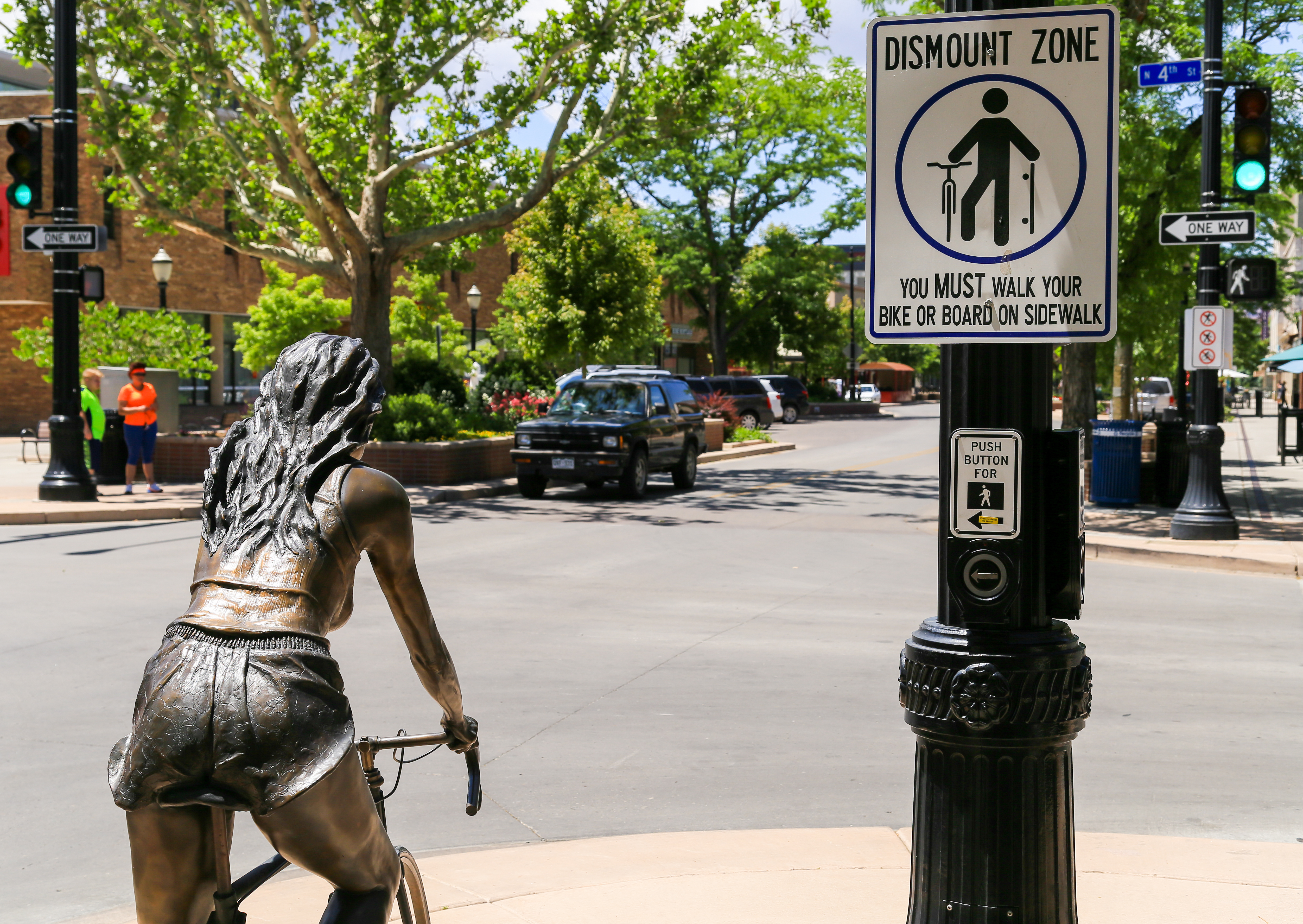
The council heard statements and talked with city administrators on the topic of implementing Grand Junction’s 2023 Pedestrian and Bike Plan, as well as from city forester Rob Davis on the ongoing work of his department in devising an urban forestry management plan for the city.
Preparing for an initial reading of the 2023 Pedestrian and Bike Plan on April, 5 2023, the Council and members of the Grand Junction Urban Trails Committee went over final revisions in the wording of the plan. As well as touching on possible future budgeting issues, as the project is, according to Dani Acosta of the Planning Commission, “starting to be out of the original scope,” as far as resources for budgeting Clarion Associates, a land use consulting firm based in Denver and the city’s partner for the 2023 Pedestrian and Bike Plan. Council members Pe’a and Simpson expressed concern with just how much else the city’s consultants would need in the following months. After receiving preliminary public comment on the 2023 Pedestrian and Bike Plan, at the Urban Trails Committee meeting March, 28, 2023, members serving on that committee shared the changes they had made prior with members of council. Notably, axing the word “mandated” in several sections of the proposed plan after conceding and agreeing that it sounded “harsh” for the resolution. The resolution will go to a preliminary reading April, 5, 2023 if the planning commission does end up recommending the resolution to council.
The Grand Junction 2023 Pedestrian and Bike plan is based on the vision of the city’s large and ambitious One Grand Junction Comprehensive Master Plan, adopted by the city in December of 2020. According to the city’s website, “This vision guides the goals and strategies included in the plan that ultimately informs city priorities, future growth, services, and development in Grand Junction.” The Bike and Pedestrian plan overall hopes to motivate alternative forms of transportation and make Grand Junction a multi-modal, world-class city.
The Council heard from presenters on the topic of Grand Junction’s ever important urban forest. Lance Gloss and Rob Davis, the devoted arborists who run Grand Junctions forestry department outlined the Urban Forestry Management plan proposed to council. The implementation of the Urban Forestry Management Plan hopes to accomplish many goals in helping to support Grand Junction’s wooden residents, including building public knowledge around tree care and broadening the diversity of canopy trees in the City. Notably, the most common species of tree in the city are ash trees, which face many biological predations such as the emerald ash borer. The Urban Forestry Management plan, which is also part of the larger One Grand Junction Comprehensive plan, hopes to combat issues such as the emerald ash borer by treating all ash trees in the city, as well as continue to build the canopy through the nursing of young trees. The For According to Lance Gloss, implementing this plan is the next step after the collection of much data from the community, “In January, we had a public survey that was in all regards a resounding success,” said Gloss. A 2019 assessment of Grand Junction’s canopy calculated that the city’s urban canopy coverage encompasses about 13% of city area. In his through presentation, Gloss started that the goal most cities aim for is around 30% canopy coverage, though made clear that with Grand Junctions unique water accessibility situation and geographic location in the west, 30% would be a lofty goal for the arid city.
Towards the close of the meeting, Council President, Stout was enthusiastic about the possible expansion of the city’s already popular forestry program, which helps residents take care of their existing trees as well as plant new saplings on both city and private property.
Applauding the work of city forestry employees, council member Stout in reference to her fallen ash tree said, “Unfortunately, it had to go and I had two trees planted by the city in it’s place and I’ll say, we were impressed with the responsiveness and how helpful you were.” Stout also spoke to the issue of public awareness around tree care and how many residents are unaware the city provides this service that is most essential to the wellbeing of our trees. Davis seconded her sentiments of getting the public more aware of tree care with data collected from the 2019 survey highlighting that only about 50% of respondents said they knew the care their trees required
The City Council will be meeting on April 5, 2023 to discuss further developments adopting resolutions including the 2023 Pedestrian and Bike Plan as well as the Urban Forestry Management Plan.

 blockpartygj.net