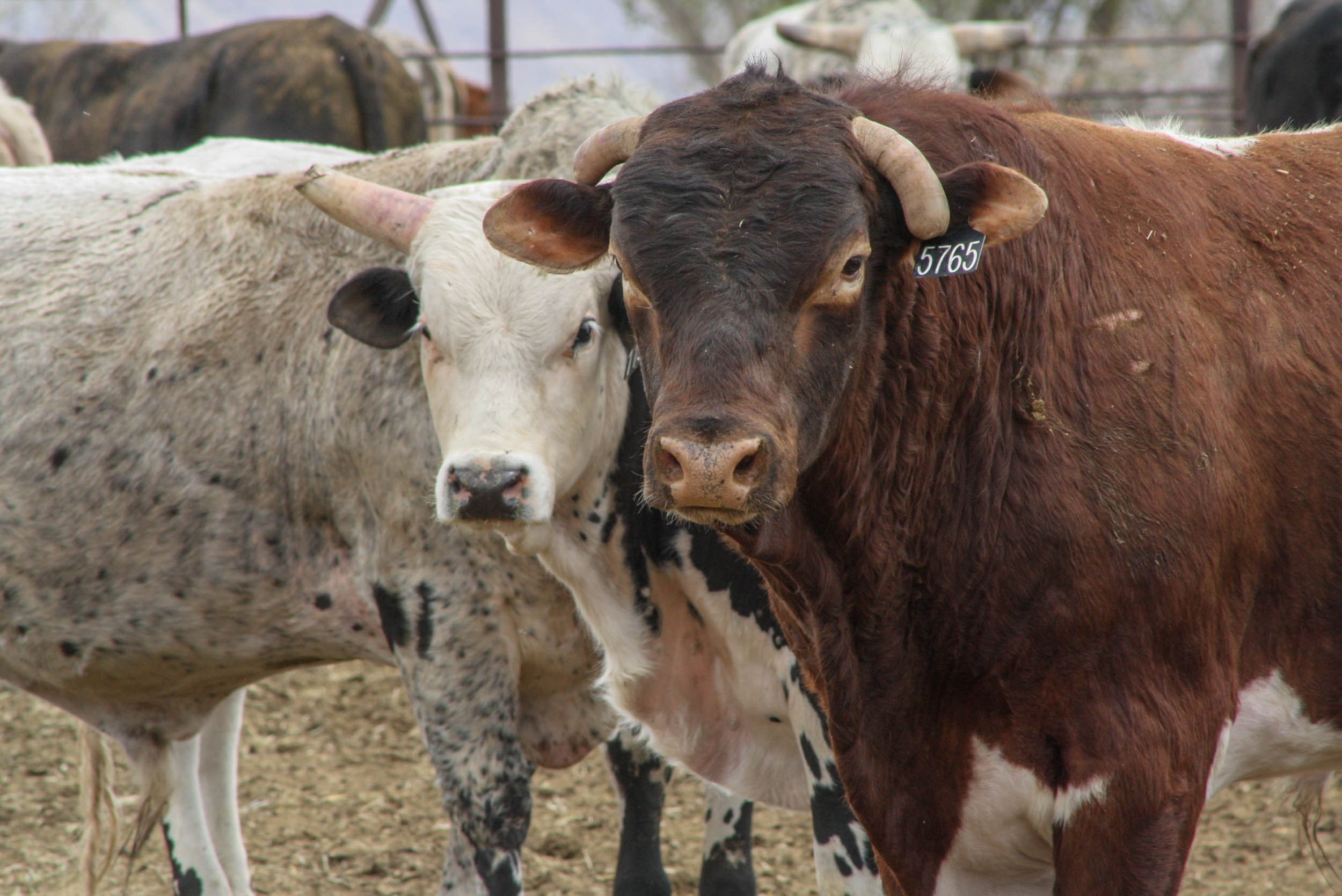
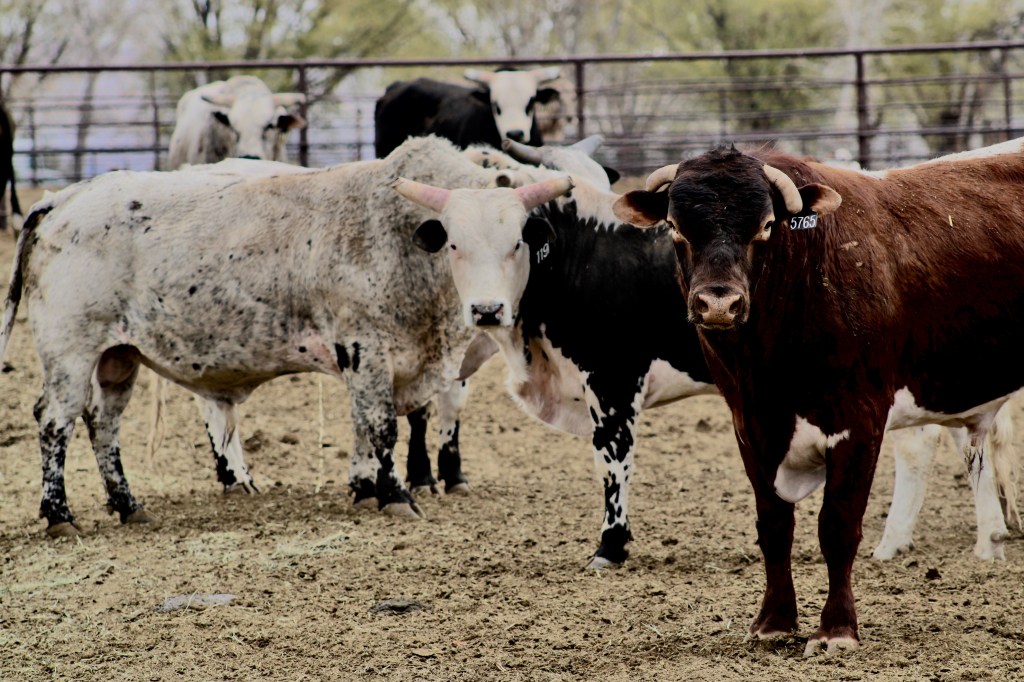
A herd of cattle huddles together on a local farm in Grand Junction, Colorado. April 22, 2021. Photo by Mikayla Olave.
Tatiana Eggers, Sustainability Editor
With Contribution From Michael Ritter, Local Government Editor
A topic of major discussion in Colorado recently has been Initiative 16, or the ‘Pause Act.’ Initiative 16 is a citizen-led ballot initiative that if passed in the next year (2022), would redefine and criminalize various medical and livestock practices in the state of Colorado.
The goal of Initiative 16 is to increase the quality of life for all domesticated animals in Colorado. In order to do so proponents of the initiative are seeking to redefine the definition of ‘sexual act with an animal’ and extend the life of domesticated animals to ¼ of their natural lifespan before slaughter.
The National Western Stock Show Organization states that Initiative 16 would:
- Criminalize farmers, ranchers, and veterinarians who use accepted animal husbandry practices to care for animals.
- Change state statutory language to define common animal care practices as ‘cruelty to animals.’
- Ban slaughter for animals that have lives less than 25 percent of their ‘natural’ lifespan.
- Criminalize the following veterinary and animal husbandry practices: spaying and neutering, birthing assistance, reproductive practices (artificial insemination, pregnancy diagnosis, fertility testing) etc.
- Eliminate accepted animal husbandry practices, opening the door to animal cruelty prosecution for common and basic practices such as feeding, sheltering, and transportation.
The Colorado State Ballot Initiative Protect Animals from Unnecessary Suffering and Exploitation provides further details into what specifically would be redefined and criminalized if this initiative were to pass. That text can be found here.
Because of how extensive Initiative 16 would be, there are concerns regarding the impact of the initiative on the livestock industry in Colorado.
According to the National Western Stock Show Organization, the initiative would severely damage the state’s $5 billion livestock industry and $1 billion beef export market as well as eliminate the majority of jobs in both sectors. Additionally, if the initiative passed it would significantly increase the cost of meat production in Colorado causing a surge in meat prices for consumers.
When speaking with the President of the Colorado Cattlemen’s Association, Janie VanWinkle, she explained the predicted impact that the initiative would have on the Western Slope.
“This effects all of us on all levels. Not only does it affect producers and as I said, animal care givers, but it affects all of us on an individual level. The economic impact of the beef community here in Mesa County is phenomenal. Every cow that you see standing out in the field contributes 6 to 8 hundred dollars to our local economy each year. That’s in the form of pick-ups that cattle producers buy, tires, fuel, working with government agencies, buying feed from the Fruita Co-Op or West Slope Ag, all of those kinds of things, that directly impact Main Street in Grand Junction,” VanWinkle said.
“The more personal impact is on consumers. I think meat will become very difficult to get and I think that it will be very expensive. I have a local direct-to-consumer ground beef program and I would not be able to continue that any longer. VanWinkle Ranch, along with many other legacy ranches and smaller operations here in Mesa County would cease to exist. We could not do what we do if this initiative passes,” VanWinkle explained.

Livestock and agriculture organizations around the state are voicing their stance towards the initiative.
The Colorado Veterinary Medical Association states that the initiative “would have significant, extremely negative impacts on Colorado’s animals, their owners, and the veterinary profession.”
“It’s not only from an animal care standpoint that we wouldn’t be able to continue but also the other portion of the initiative affects the harvesting of those animals and it’s simply not sustainable. If we want to look at the sustainability of what we do to provide food for consumers, we look at it from an economic, environmental, and social standpoint. Based on all three of those pillars, it’s absolutely not sustainable to do it in that manner,” VanWinkle said.
In order for Initiative 16 to be listed on Colorado’s ballot next year, it must go through a 14-step process and it is currently in Step 8.

For more information visit,
Colorado Cattlemen’s Association

 blockpartygj.net