
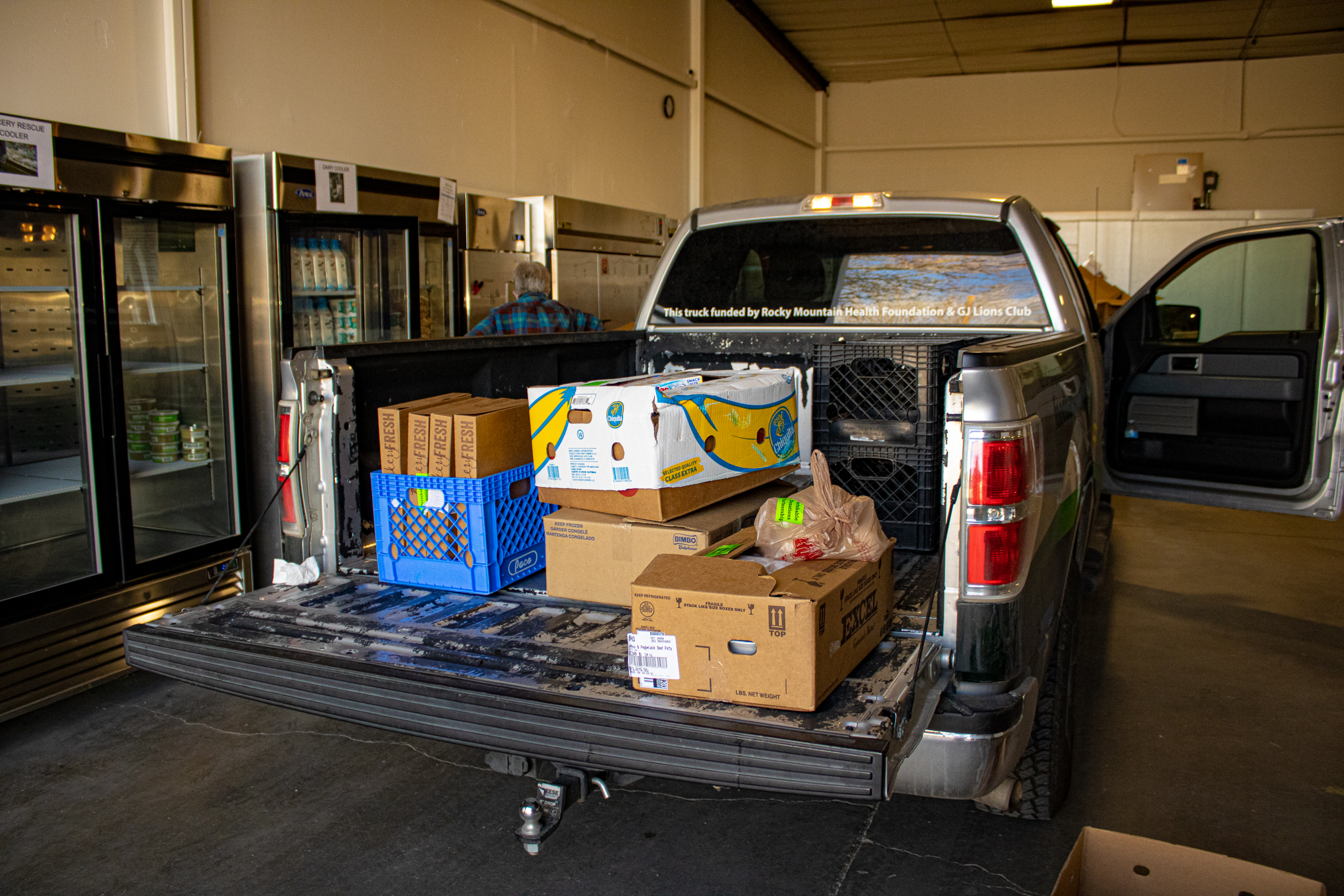
Why the above-average poverty rate among GJ young adults is threatening to the future of your community
SYDNEE FLOTRON- ODDITIES EDITOR
As of 2018, The US Census reported that 17.6% of the Grand Junction population was living below the poverty line. To put this into perspective, the National average at that same time was about 13.1%. Grand Junction may not be known as a high-class financial capital of the country, but these numbers are worrisome, particularly because Grand Junction is home to Colorado Mesa University, one of the fastest-growing universities in the state. CMU brings in a lot of residents, revenue, and jobs for the Grand Junction locals, and its students are the heart and soul of this community. Historically, many CMU graduates tend to stay in Western Colorado after they graduate, which is why it’s even more worrisome to note that out of the percentage of Grand Junction residents living below the poverty line, 18–24 year-old young adults made up about 11.9% of that number.
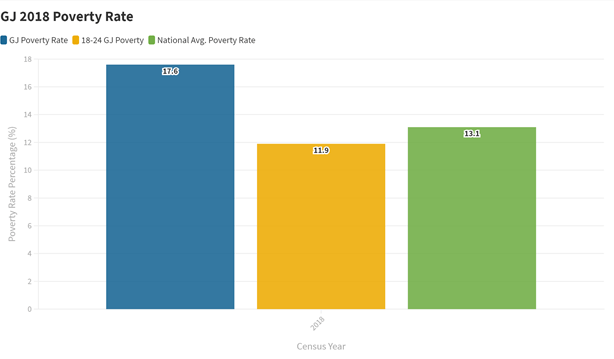
There’s no data on how many of those 18–24 year-olds accounted for were college students, but in a college town like Grand Junction, it’s safe to say a vast majority of them were. This data presents a few important questions: Why are college-aged individuals struggling so much more than anyone else in Grand Junction? How can the community expect these students to succeed, find work, and stay here contributing members to the economy when they can hardly put meals on the table at 18? Poverty is a complex situation that affects everyone differently. There is no one right answer to these questions, but there are a few contributing factors as to why this age group is struggling as much as they are.
The Pandemic
The Coronavirus pandemic that hit in 2020 was brutal for a lot of people, but it was the final straw for many who were already struggling to stay afloat in the world pre-COVID. With the global economic crash, the loss of millions of jobs, and medical bills for those who did fall ill, the financial impact of 2020 alone sent thousands of people into homelessness, or very close to it. Many resources that were out there for struggling people were also forced to shut their doors and operate differently for a while.
Homeward Bound is a local homeless shelter here in Grand Junction that has managed to keep providing their services throughout the pandemic. Jesse Redmond, the Development Services Director for Homeward Bound, shared his insight on the effects of the 2020 pandemic on the homeless population.
“There was a recent point in time study, measuring homelessness around the country, and the findings from there said that on a single night in 2020, 34,000 people under the age of 25 had experienced homelessness, and about 90% were between the ages of 18-24,” he said.
The national stimulus checks didn’t help this age group much, either. While these were meant to relieve some stress from those struggling financially due to the pandemic, the checks were not offered to anyone claimed as a dependent in the previous year’s taxes. Many 18–24 year-olds were claimed by their parents yet are out living on their own and receiving little to no financial help from their families.
CMU student Parker Nicholas didn’t receive any of the stimulus checks this previous year due to being a dependent.
“With my brother entering college now, my family and I are having a hard time figuring out how we are going to make ends meet. I am in the midst of applying for two more jobs on top of my ambassador job to cover my rent and car payment, so my parents won’t need to worry about that. But that doesn’t include other necessary expenses like groceries,” he said.
Mental Health
Mental Health plays a huge factor into poverty rates and has become more of a prevalent issue with the additional stresses of COVID. Raquel Cisneros, Family Coordinator at Homeward Bound, noted that drug use and mental health have had a huge toll on the homeless population they serve in Grand Junction.
“In talking with other staff members, we found that a lot of what we saw in the shelters was an increase of drug use, and lack of jobs, services, and support. We understand that people use [substances] to cover up or cope with their mental health. Those go hand in hand.”
The age range of 18-24 is especially susceptible to depression and anxiety due to the outside pressures and time constraints there are on young people. CMU senior Shantae Reed often finds it difficult to balance everything going on in her life.
“As a student with no financial support from home, it’s hard. Instead of taking out loans to pay for school I’m taking out loans to pay for rent. I believe in making time for things you need to do, but I get up early in the morning and stay up late completing necessary work for everything going on. The little bits of free time I get are usually when I take the time on weekends to go to the bookstore or donate plasma [for groceries],” she said.
Reed is a Criminal Justice major, and interns at a local coroner’s office. It’s no secret that Grand Junction is a hotspot for suicide in Colorado, but Reed has seen it firsthand.
“Speaking from experience, I can say that suicide within Junction happens more often than people think. [It’s a] weekly occurrence. I saw three suicide autopsies [in one] Saturday [this past spring]. We are the suicide capital of Colorado, and I think money troubles often play into making things hard for people.”
Supporting the Future of Grand Junction
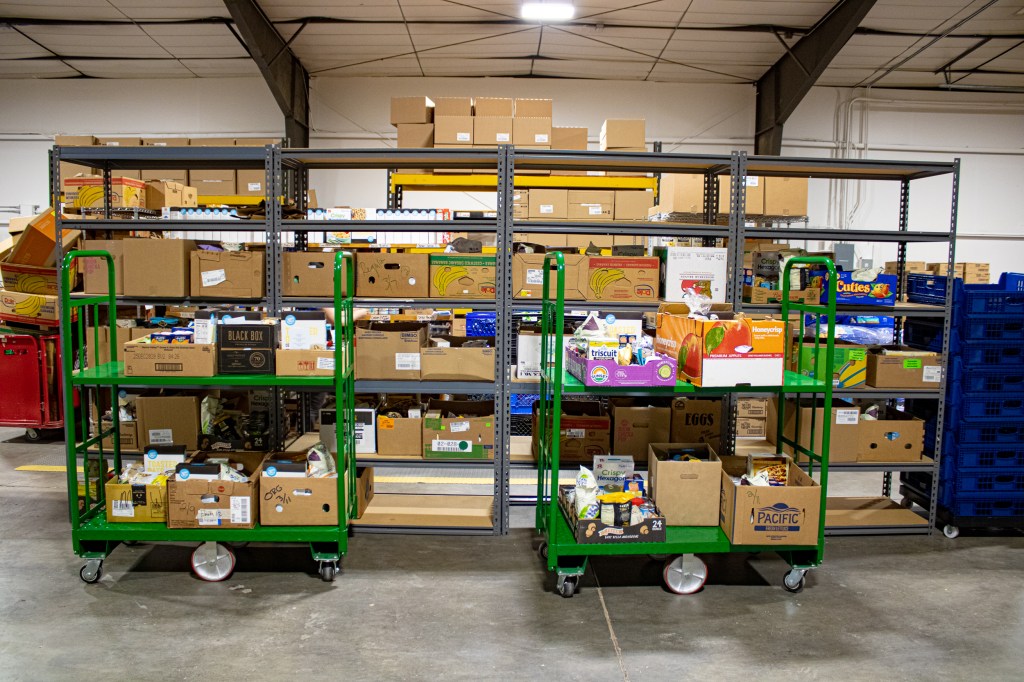
Many of these struggling young adults will stay here and hopefully grow to be successful, financially independent members of the community. However, they need the right resources and assistance along the way. One way to help set them up for a successful future here is to provide better financial literacy education. Whether it be through classes, teaching your own kids, or even giving some pointers to the new college intern at work, it all goes a long way. Another way to help is to point anyone who may be struggling to a local resource that can help them get back on their feet. Homeward Bound is a great place to start; they provide housing, medical services, therapy, substance recovery programs, job skill programs, and much more.
“It’s been a challenge for everyone. We’re all trying to figure out how to help our clients cope with this while we’re all isolated. All providers are coming together and finding the support for our clients and I think that as a community, we are figuring out a way,” Cisneros said.
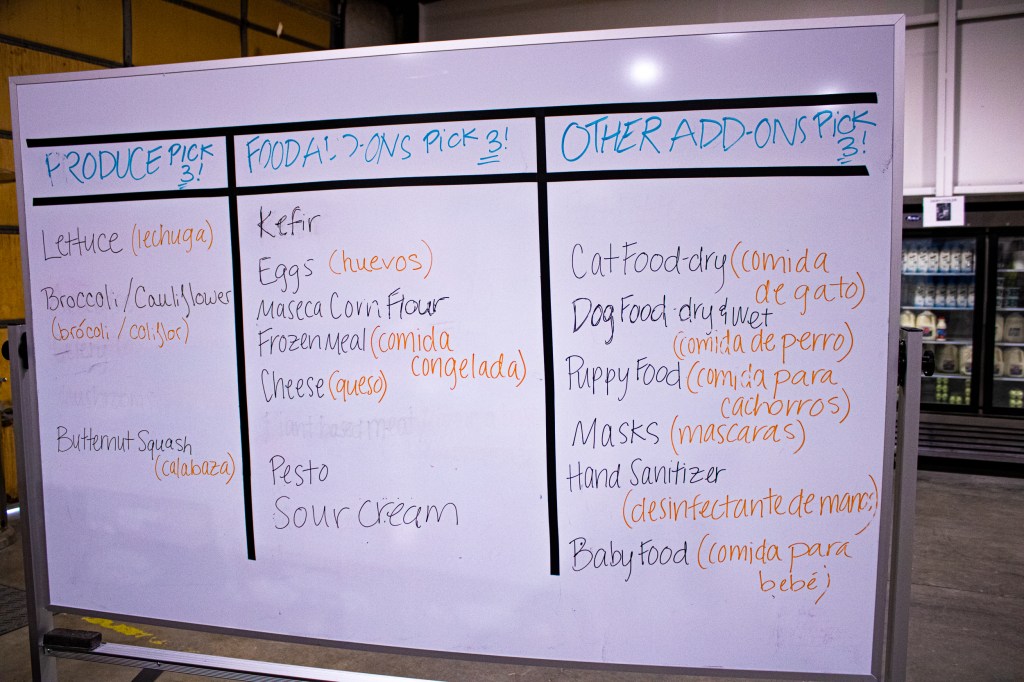
If you are struggling financially in the Grand Valley, Cisneros and Redmond suggest the following resources:
- Hilltop Family Resource Center -Provides assistance to struggling families and parents
- Grand Valley Peace and Justice -Provide tutors for kids, food pantry, clothing closet, etc.
- Center for Independence – Disability assistance
- Catholic Outreach Day Center -Housing, soup kitchen, food pantry, financial aid, clothing bank, emergency day center
- The House -Housing and programming for homeless youth
- Griffith Center for Children -Housing and foster care for children
- The Joseph Center -Resource for struggling parents
- Community Food Bank -Emergency food service
- CMU Pantry -Food pantry for CMU students

 blockpartygj.net