
Some people leave a mighty strong impression
JACOB PENICK – PEOPLE EDITOR
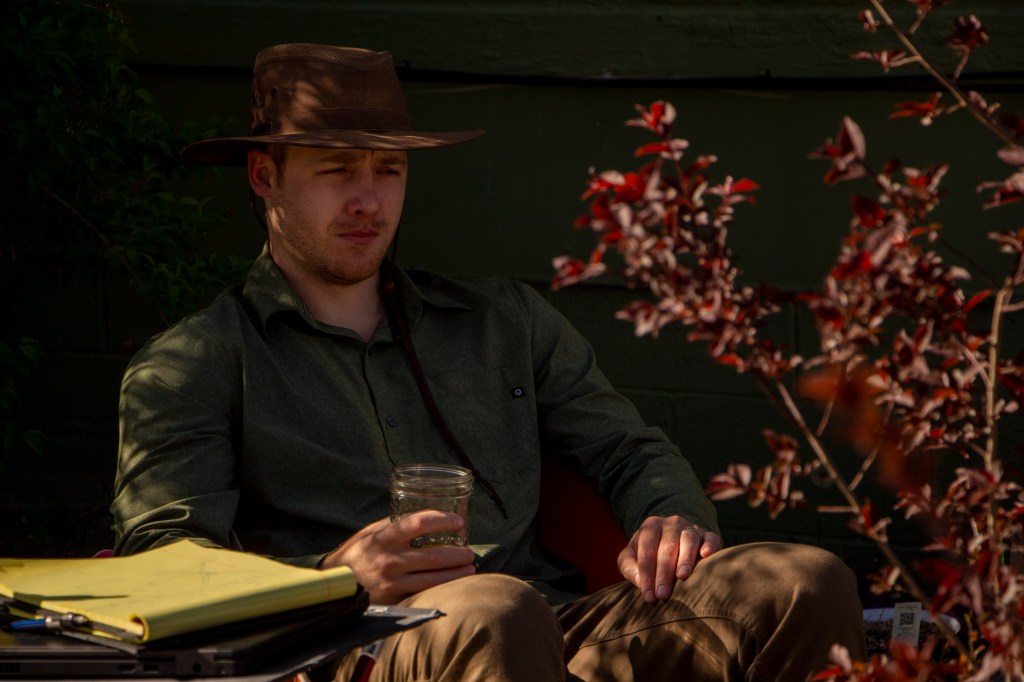
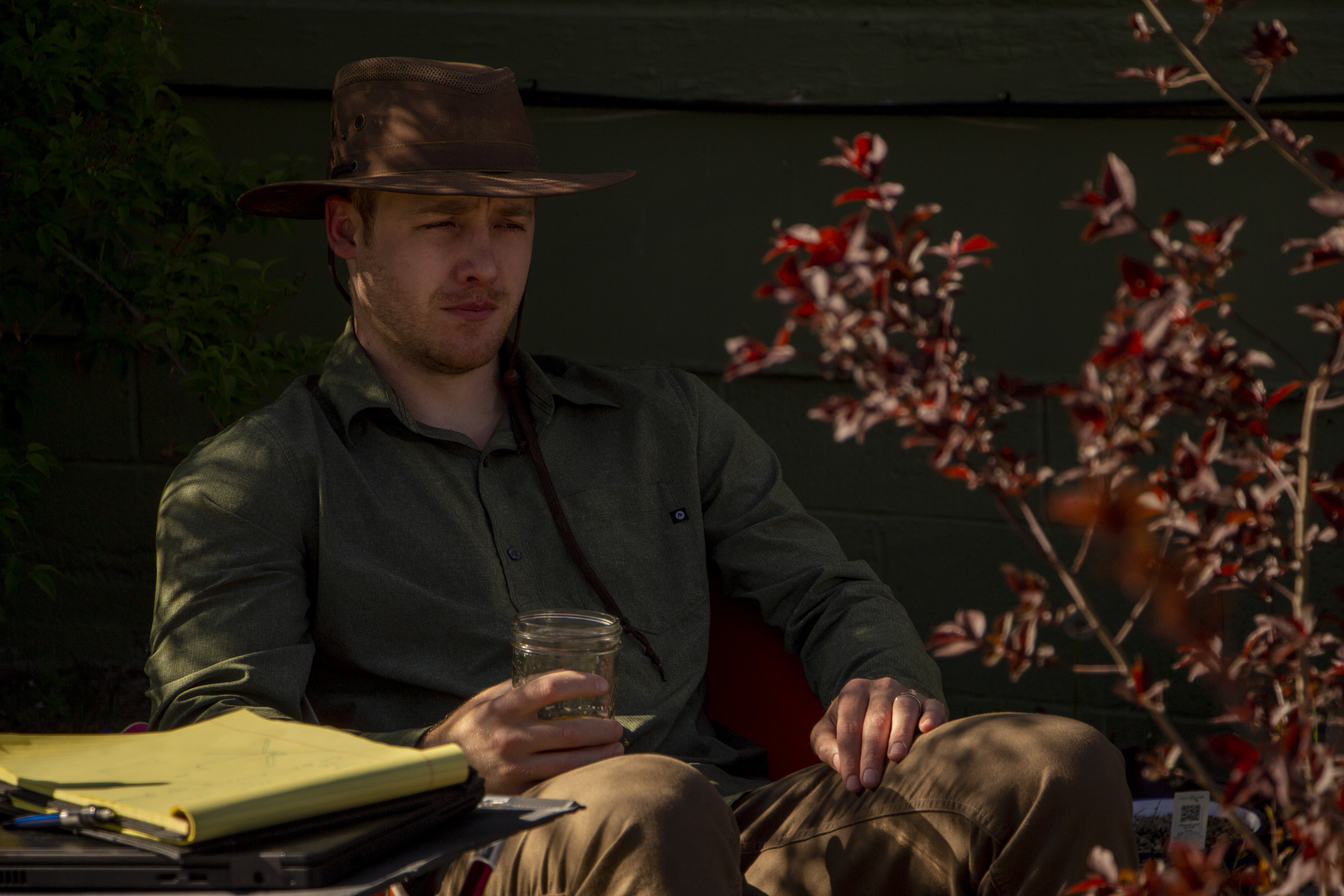
There sits Kaleb Wilkins, his amber ale half gone already, orange beard aglow facing the falling sun. There’s always a glint in his eye as if he might start quoting classic literature just for fun, just to see the look on people’s faces. After all, he is an English teacher.
Not your average K-12 sort of guy. Not higher-ed, either. Wilkins teaches at Grand Mesa Youth Services Center (GMYSC), a youth corrections center where at-risk kids from 18 Western Colorado counties congregate to grow together.
Wilkins feels it’s important to discuss the negative connotations that often follow a phrase like “youth corrections.” Having been a bike mechanic for years prior, he uses bike maintenance as a metaphor for the role of youth corrections in society today. Wilkins sees his students as an essential piece of our societal puzzle – a part that keeps the bike moving.
“If you can accept that all of humanity and all of human creation has ‘wear items,’ items that are not meant to last, but their usefulness comes from their being used up, then the perspective can shift from ‘broken’ or ‘flawed’ to ‘in need of service.’ So, just like when your bike tires are worn out: you don’t consider the bike broken; rather, you service what is worn out,” says Wilkins.
Wilkins chooses to see students who are struggling especially hard in life as parts of our machine that are “no longer functioning in their former capacity,” he said. “Which means we can find new and innovative ways to bring purpose and meaning to a person’s life.”
Wilkins is halfway through his amber ale. The chill of twilight is setting in.
It takes a deep wealth of experience to gain such a unique perspective. Wilkins considers himself to have been “one of the more well put together at-risk youth because I actually did my probation. I, y’know, I did my community service, I did all the things I needed to do to be done with it.”
He moved on. Went to college. But, as a freshman, Wilkins became homeless due to circumstances that were entirely out of his control.
“I remember times when I found a somewhat stable place to live, but it was just a drug house,” Wilkins said. “I would try to have a girlfriend, and you like, bring your girlfriend home, and it’s like. People are overdosing on heroin in your living room, and you’re like, ‘Hey! Second date?’”
Perspective like this is exceptionally valuable for someone whose job is to inspire people to be their best selves, regardless of their surroundings. Wilkins looks at the bigger picture.
“When I see a kid flipping off their teacher, burning up their report card, or throwing a chair in class, I see not: ‘That kid’s out of line, he needs to be disciplined,’” he said. “I see, ‘F**k. What could that kid be going through?’ It’s really hard to keep the perspective that every kid no matter what, even the sex offenders that have done terrible things, even the murderers, even the drug addicts who have relapsed time and time and time and time again, deserve a hand for when they’re ready.”
A bell tower chimes to punctuate the hour as well as the gravity of Wilkins’ words. The ale disappears just a bit more. Wilkins is the type of person who is easy to sit and chat with. He speaks in a poised, intellectual manner; a natural born storyteller.
Being an English teacher and GMYSC isn’t Wilkins’ forever-job. Kaleb’s a phenomenal speaker. Considering that, his future career makes quite a lot of sense. Using his unique perspective, Wilkins wants to be a lawyer to guide people through some of the roughest times of their lives, as he does now.
“I wanna study law because I believe in true beauty in justice,” he said. “I believe the philosophers. I believe that between all this chaos we can find justice and beauty. And it’s not easy, but it’s definitely, definitely worth striving for.”

 blockpartygj.net